
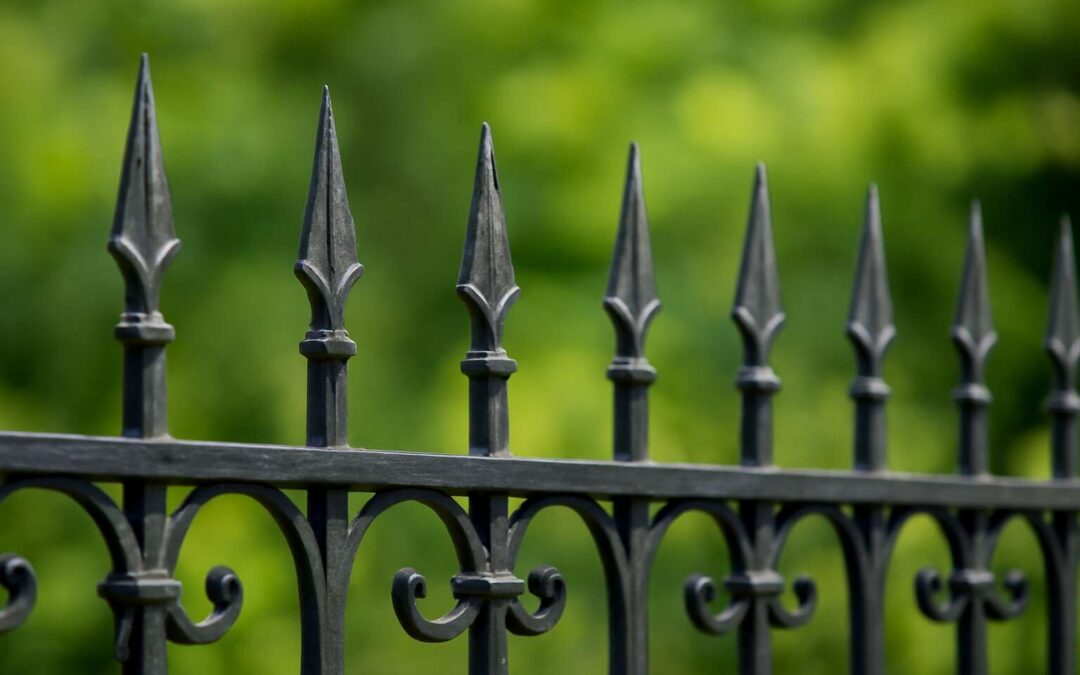
Fencing spikes comprehensive outline for optimization
Understanding fencing spikes and their uses
A fence is more than metal and soil; it is a memory cast into the border. “A fence tells a story before the gate creaks,” a voice murmurs, and that story hinges on the humble spike that holds it all together. Understanding fencing spikes opens the argument.
Comprehensive optimization starts with function—security, durability, and visual harmony. Fencing spikes offer quiet anchorage against weather, wildlife, and wear. In South Africa’s climates, choosing spikes balances corrosion resistance, UV stability, and maintenance ease.
- Deterrence of intruders
- Durability under sun and rain
- Compatibility with boundary aesthetics
From a design perspective, the spike hints at a larger story about boundary ownership and communal space. The choice carries implications beyond function, shaping perceptions of safety, pride, and responsibility.
Materials and durability of fencing spikes
The border isn’t just metal; it’s a contract with the land, and the right fencing spikes keep it intact. In South Africa, sun, rain, and coastal humidity test every edge, so durability isn’t optional—it’s essential. Look for corrosion resistance and UV stability, because a spike that peels or rusts undermines the line. I’ve seen budgets squandered on flashy profiles when the backbone fails long before the gate creaks.
Materials and durability come down to a few practical choices. Consider how each option handles heat, moisture, and wear over time, because maintenance ease matters as much as initial cost.
- Galvanized steel for affordability and solid protection
- Stainless steel for maximum corrosion resistance
- Powder-coated or aluminium alternatives for lighter profiles and added UV protection
Choosing the right spikes means weighing look, life expectancy, and local conditions—then balancing aesthetics with the quiet logic of a boundary that holds fast under pressure!
Installation and positioning best practices for fencing spikes
A boundary is more than metal; it’s the land’s signature, etched by wind and time. In installation and positioning best practices for fencing spikes, precision and patience matter as much as price. In South Africa, varying soils and storms make precise placement even more important. Treat the line as a living edge—let it mirror the land’s contours, respect drainage, and keep sightlines clear. When spikes stand true, the boundary breathes confidence into the property and away from the rhetoric of compromise.
To balance aesthetics with performance, consider alignment with slope, soil type, and visibility for animals and humans. The placement should blend with the landscape while resisting wind and pressure uplifts.
- Contour-aware positioning to preserve the line’s integrity
- Soil-informed spacing and grounding to reduce movement
- Consistent head height to maintain a clean silhouette
Maintenance, safety, and regulatory considerations for fencing spikes
A boundary is a quiet oath between earth and wind, and every fence tells that story. For fencing spikes, maintenance and mindful governance keep that vow audible through seasons of heat, rain, and storms. In South Africa’s varied soils, the right care preserves performance, safety, and curb appeal, ensuring the line remains legible to neighbours and wildlife. A comprehensive outline for optimization centers on maintenance, safety, and regulatory considerations, weaving care with respect for the land.
Key focus areas include:
- Maintenance cadence and corrosion protection
- Safety protocols for workers and the public
- Regulatory compliance: permits, height limits, and local by-laws
By aligning upkeep with local climate realities and municipal expectations, the boundary stands resilient—poised to endure and tell the land’s story through every season.