
Industry Overview and Applications
Global Trends in diamond mesh panels
Diamond mesh panels are the resilient rock stars of modern design, blending security with style. In South Africa, they’re trimming project timelines in malls, mining sites, and chic lobbies, while a global demand uptick—roughly 8–12% annually—keeps the spotlight bright.
Industry overview and applications converge in this lattice: the lattice itself combines strength, corrosion resistance, and easy fabrication into sizes that fit quirky spaces and rigorous codes. The trend lean toward modular, prefabricated solutions that shorten schedules and simplify maintenance for SA projects.
- Perimeter security screens
- Interior partitions and dividers
- Ventilation grilles with light diffusion
- Architectural cladding and decorative façades
Global trends push lighter alloys and smarter coatings, turning the humble panel into an aesthetic asset as well as a safeguard. In the SA climate, durability and low maintenance keep diamond mesh panels in demand, proving that function can have personality.
Common Applications Across Industries for diamond mesh panels
Global demand uptick—roughly 8–12% annually—keeps diamond mesh panels moving from Cape Town’s skylines to the heart of mining corridors, where resilience is non-negotiable. The industry overview reveals a lattice that combines strength with corrosion resistance and easy fabrication, tailored for quirky geometries and stringent codes. In the SA climate, durability and low maintenance remain the quiet engines of adoption.
- Retail precincts and malls seeking security with architectural warmth
- Mining and industrial complexes needing ventilation- and protection-friendly enclosures
- Hospitality and cultural venues craving decorative yet durable façades
- Public transport hubs where high throughput meets robust, easy-care panels
Across industries, diamond mesh panels translate planning into tangible rhythm—lightweight yet sturdy, modular yet customizable. They enable airy interiors and consistent exterior texture without sacrificing budget timing.
Benefits and Use Cases of diamond mesh panels
Across SA cities, uptake for diamond mesh panels has surged in the past decade, with annual growth nudging into the high single digits. They fuse apparent toughness with a surprising lightness, delivering breathability without compromising security. In South Africa’s coastal climate and rugged mining corridors, durability and low maintenance aren’t luxuries—they’re non-negotiables.
From an industry standpoint, the payoff is clear: lightness, rugged durability, and simple fabrication meet tight timelines and tough codes. These panels translate planning into real-world performance—airy interiors and textured exteriors that stay true through seasons.
- Ventilated enclosures that balance security with visibility
- Architecturally warm façades that resist corrosion
- Rapid, modular installs across complex geometries
Across sectors, this combination reduces maintenance cycles and keeps projects on track while preserving a cohesive visual language from foyer to façade.
Compliance and Safety Standards for diamond mesh panels
Across South Africa, diamond mesh panels have shifted from niche to necessity. They’re lightweight yet rugged, delivering airiness without compromising security—ideal for coastal climates and rugged mining corridors. This balance accelerates projects, meets tight codes, and gives designers a material that stays true through seasons and public scrutiny.
- Structural integrity and load testing
- Corrosion resistance and environmental durability
- Fire performance and safe handling requirements
Compliance and safety standards anchor every installation in SA. SABS certification, traceable quality processes, and OHSA-aligned risk assessments guide procurement and fabrication. Coastal environments demand proven corrosion resistance, while guarding and ventilation criteria ensure safe operation and maintenance.
These measures support durable, compliant use across mining, commercial, and civic projects.
Design, Materials, and Manufacturing
Material options for diamond mesh panels
As one engineer puts it, ‘Great design is security that lets the light in.’ Design of diamond mesh panels blends safety with airflow and daylight, so the pattern must balance rigidity with visibility. A thoughtful layout considers diamond size, panel thickness, and edge finishes to create panels sturdy on site and sleek on the skyline.
Materials matter, especially in South Africa’s varied climates. The base metal choices set corrosion resistance, weight, and budget. For durability and local availability, consider these common options:
- Stainless steel (316) for robust corrosion resistance
- Aluminum for lighter weight and quick handling
Manufacturing material options and finishes round out the equation. Beyond the core metal, coatings and processing determine longevity in heat, humidity, and sun. Practical paths include:
- Powder coating for color, UV resistance, and weatherproofing
- Passivation or electro-polishing for stainless steel surfaces
- Protective coatings such as epoxy or vinyl for specialized environments
Manufacturing Techniques for diamond mesh panels
Design is the hinge between fortress and façade—strong enough to weather Johannesburg winds, yet open enough to invite daylight. The pattern must balance rigidity with visibility, so diamond size, panel thickness, and edge finishes shape performance on site and in the skyline. diamond mesh panels fuse function with finesse.
Material choices matter in South Africa’s climate. Stainless steel (316) offers robust corrosion resistance; aluminum trims weight for easier handling. In our varied climate, these options balance durability, budget, and availability for wide-scale installations.
Manufacturing techniques seal the deal, with coatings and finishes tailoring resistance to heat and sun. Finishing paths include:
- Powder coating for color, UV resistance, and weatherproofing
- Passivation or electro-polishing for stainless steel surfaces
- Epoxy or vinyl protective coatings for harsh environments
These approaches keep lines clean from edge to edge while preserving architectural elegance.
Durability and Corrosion Resistance of diamond mesh panels
diamond mesh panels are a study in tension—between fortress and façade. The design must withstand Johannesburg winds while inviting daylight, so pattern size and panel thickness sculpt rigidity and visibility. Edge finishes shape the skyline’s perception, quietly refined. Function meets finesse.
- Pattern size and geometry balance
- Edge finish tolerances and alignment
- Daylight, glare control, and visual permeability
Materials suited to South Africa’s climate form the quiet backbone of durability. Stainless steel (316) resists corrosion, while aluminum trims reduce weight for easier handling. Across varied climates, these choices align durability with budget and project timelines.
Manufacturing durability hinges on finishes that resist heat and sun. Finishes tailor weathering without sacrificing elegance, from UV-conscious coatings to corrosion-curbing surface treatments. When these elements align, diamond mesh panels endure the test of streets and seasons.
Customization and Finishes for diamond mesh panels
Wind is a sculptor in Johannesburg, and diamond mesh panels answer with iron and light. They stand as fortresses that admit daylight, a gothic whisper framing facades and turning gusts into a measured rhythm of shadow and sheen.
Design and customization pulse through the lattice:
- Pattern density and orientation for controlled light and shadow
- Edge profiles and seam alignment for clean skylines
- Strategic perforation to balance privacy and ventilation
- Color, texture, and coating options to match architectural language
Materials chosen for South Africa’s climate blend resilience with elegance. Diamond mesh panels using stainless steel 316 resist corrosion, while aluminum trims shave weight for simpler handling. UV-stable coatings and strategic passivation extend life without dulling character.
Manufacturing customization and finishes are the quiet artisanship behind the scene—diamond mesh panels require laser precision, tailored welds, and factory-applied finishes that weather sun and heat with quiet authority.
Installation, Performance, and Maintenance
Installation Best Practices for diamond mesh panels
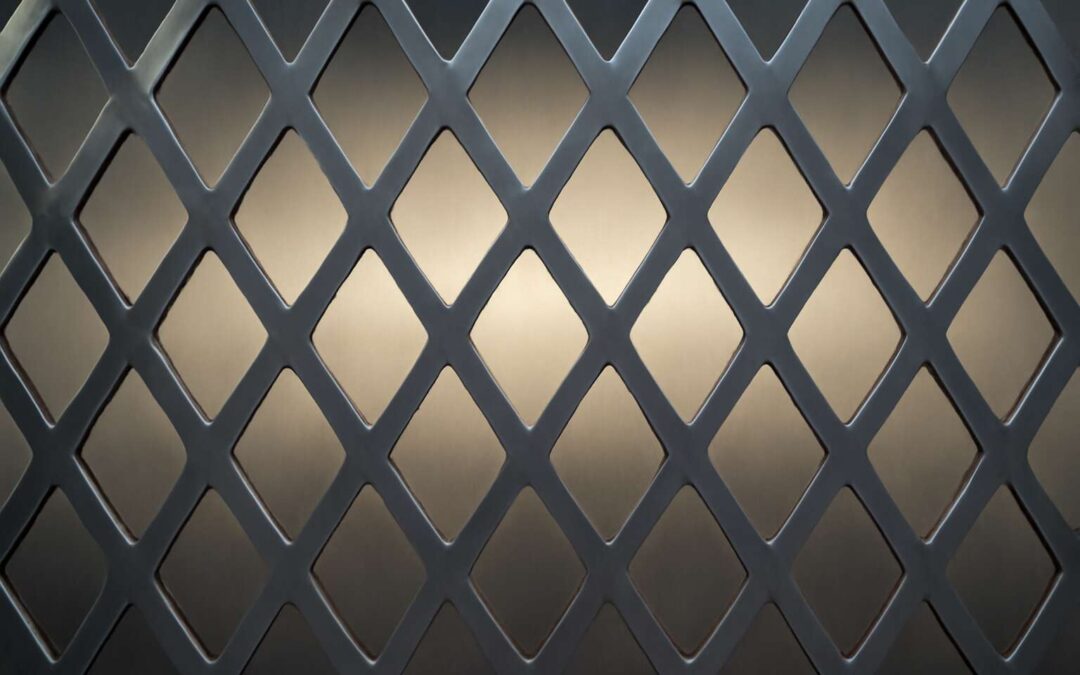
Installation sets the tone for longevity. A level base, precise anchorage, and careful bracing keep spaces resilient against wind and vibration. The diamond mesh panels reveal their quiet strength as light threads through their lattice, turning a functional screen into a living surface. Industry data suggests that meticulous installation can reduce maintenance calls by up to 40%.
Performance follows from alignment and finish. When installed with symmetry, the panels deliver steady airflow, clear sightlines, and secure access without sacrificing elegance.
- Structural alignment and support continuity
- Environment-appropriate finish and materials
- Monitor fastener integrity and seam stability
Maintenance, a quiet ritual, keeps the gleam and strength intact across seasons. In South Africa’s varied climates, gentle observation, mindful cleansing, and timely repairs sustain the panels’ character.
- Longevity through consistent inspection
- Preservation of aesthetic and structural integrity
- Careful adaptation to changing environments
Performance Metrics for diamond mesh panels
Installation of diamond mesh panels starts with a true base, precise anchorage, and careful bracing. When the frame is level and aligned, the panels settle into place, resisting wind and vibration while remaining quietly resolute. I’ve seen how that small measure yields big longevity.
Performance follows from symmetry and finish. Installed with careful alignment, diamond mesh panels maintain steady airflow, clear sightlines, and secure access without sacrificing elegance. I’ve learned that the result reads as functional architecture, not mere screen.
I watch maintenance performance metrics for predictability in South Africa’s climate. Regular checks of fastener integrity and seam stability, alongside environmental compatibility, keep the gleam and strength intact through changing seasons.
- Fastener integrity and thread condition
- Seam stability and corrosion resistance
- Environmental finish compatibility
Maintenance Routine and Longevity of diamond mesh panels
In SA, a single well-anchored panel can outlive a dozen gusts—quiet strength that travels with the wind. Solid anchorage and a true base are the quiet pioneers of lasting structure. In South Africa’s winds and blazing sun, diamond mesh panels installed with precision stay square, resist sway, and quietly earn their keep against fatigue and noise.
Performance follows symmetry and finish. When the frame is level and aligned, diamond mesh panels ensure steady airflow, clear sightlines, and secure access—without surrendering elegance. The result reads as functional architecture, not mere screen.
Maintenance routines safeguard longevity for diamond mesh panels as seasons turn. Regular checks matter in SA’s climate, and a steady eye on fastener health, seam stability, and finish compatibility keeps the gleam intact:
- Fastener integrity and thread condition
- Seam stability and corrosion resistance
- Environmental finish compatibility
Troubleshooting Common Issues with diamond mesh panels
Installation of diamond mesh panels is a ritual of precision. In South Africa’s breeze, a true base and solid anchorage keep each panel steady as the horizon yawns. Level, plumb, and locked with weather-rated fasteners, the frame becomes a vigilant hinge against fatigue—an unseen guardian of the space it defines!
Performance follows symmetry. When the frame is true, diamond mesh panels deliver steady airflow, clear sightlines, and secure access—without surrendering elegance. It reads like architecture that breathes with the wind rather than flinching before it.
Maintenance troubleshooting reveals the small shadows that test any installation. Regular checks keep the gleam intact and lines true:
- Loose fasteners and thread wear
- Sagging seams or misalignment
- Corrosion at joints or finish wear
- Degraded environmental coatings
By addressing these whispers early, diamond mesh panels endure longer, preserving form and function through SA’s long days and brisk nights.
Buying Guide, Cost, and Sustainability
How to Price and Compare diamond mesh panels
“Quality isn’t expensive, it’s the cost you pay twice.” A sharp reminder for anyone shopping diamond mesh panels. For a buying guide, look at diamond pattern consistency, wire gauge, coating, and supplier support. Ensure material grade (galvanized vs stainless), warranty, and datasheets are in hand.
- Pattern consistency
- Wire gauge and coating
- Warranty and datasheets
Cost goes beyond the tag. Price per square metre, freight to SA, VAT, and any duties matter. Consider lead times and installation impact; the cheapest option often costs more later in maintenance or replacement.
When pricing for sustainability, weigh lifecycle costs, recycled content, and end-of-life options for diamond mesh panels. Look for supplier certifications and environmental declarations to compare true long-term value.
Where to Source High-Quality diamond mesh panels
Durability plus foresight—diamond mesh panels aren’t just metal; they’re a signal of how projects endure. A smart buying guide starts with trusted suppliers, clear material grades (galvanized vs stainless), up-to-date datasheets, and documented warranties. When these pieces align, maintenance headaches vanish before they begin.
Cost isn’t the sticker price. In South Africa, price per square metre must be weighed against freight, VAT, duties, and the inevitable lead-time that can shift project horizons. The sharpest quote may crumble under long-term maintenance or premature replacement—the true cost of these panels.
Sustainability threads through every choice: lifecycle costs, recycled content, and end-of-life options. Seek supplier environmental declarations and certifications to compare true value beyond the initial tag. With diamond mesh panels, responsible sourcing echoes through the project and the warranty period.
Environmental Impact and Sustainability of diamond mesh panels
Buying Guide for diamond mesh panels reads like a map, not a gamble. In South Africa, align with trusted suppliers, insist on transparent material grades (galvanized vs stainless), and demand up-to-date datasheets and warranties that withstand the test of time. When these elements align, projects breathe easier.
- Trusted suppliers with verifiable references
- Clear material grades and certifications
- Comprehensive warranty terms and post-sale support
Cost isn’t just the sticker price; in South Africa the true figure folds freight, VAT, duties, and lead-time into the equation. The sharp quote can crumble if ongoing maintenance and premature replacement aren’t accounted for over the project’s lifespan.
Sustainability threads through every choice: lifecycle costs, recycled content, and end-of-life options. Seek supplier environmental declarations and certifications to compare value beyond the tag. With diamond mesh panels, responsible sourcing echoes through the project and the warranty.
Certifications and Supplier Due Diligence for diamond mesh panels
In South Africa, buying diamond mesh panels should read like a compass, not a gamble—“Supply certainty is the true steel of a build,” as one foreman likes to say. Align with trusted suppliers, insist on transparent material grades (galvanized vs stainless), and demand up-to-date datasheets and warranties that withstand the test of time.
Cost isn’t just the sticker price; in South Africa the true figure folds freight, VAT, duties, and lead-time into the equation. The sharp quote can crumble if ongoing maintenance and premature replacement aren’t accounted for over the project’s lifespan.
Sustainability threads through every choice: lifecycle costs, recycled content, and end-of-life options. Seek supplier environmental declarations and certifications to compare value beyond the tag. With diamond mesh panels, responsible sourcing echoes through the project and the warranty.
- Verified references and project case studies
- Transparent material specifications and certifications
- Warranty terms aligned with lifecycle