
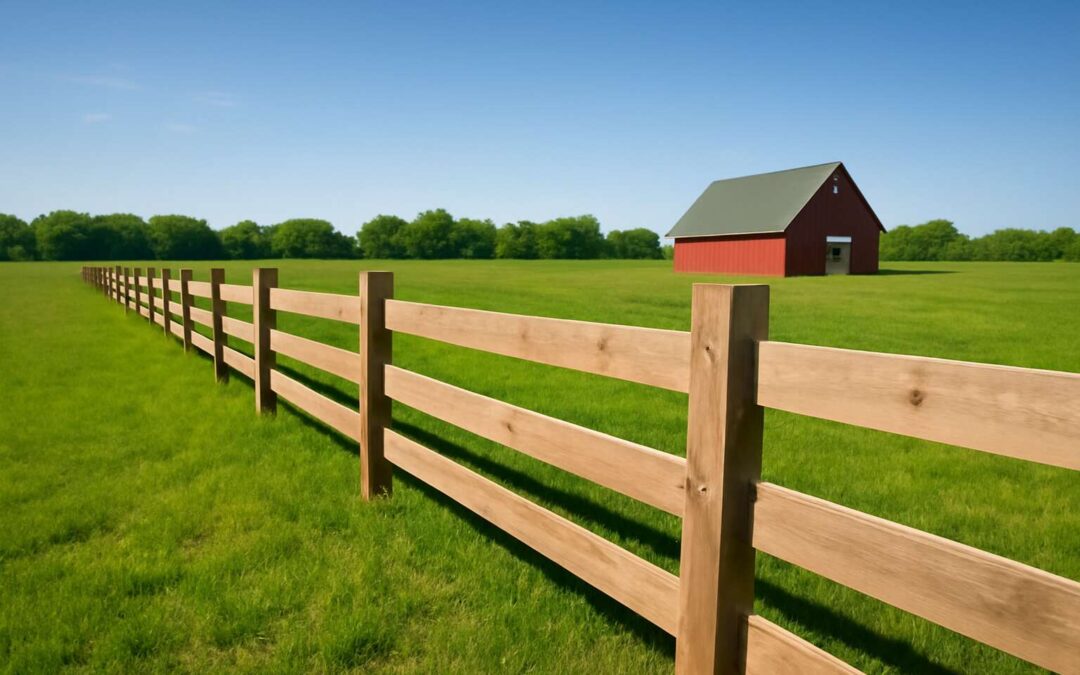
Fence types and suitability for farms
Types of farm fencing
Across SA, farms without robust fencing lose livestock during storms, a sobering reality. A sturdy perimeter is not a luxury; it is a shield against wind, predators, and night-time mischief—fencing for farm, a quiet promise you can measure with quiet confidence.
Types of farm fencing vary with climate and stock. Consider these common options for South Africa’s countryside:
- Electric fencing for flexible, fast containment
- Welded wire or high-tensile mesh for paddock boundaries
- Palisade or wooden rail for durable, secure perimeters
Each choice balances cost, climate, and endurance. From arid Karoo farms to misty highveld ranches, a thoughtful blend of materials keeps stock safe and farming viable. This is the heartbeat of fencing on the farm, steady and reliable.
Livestock-specific fences
A fence is the quiet shield that holds the herd together when the night winds rise. Across SA farms, the right fencing for farm is less about borders and more about weathering variables—stock behavior, terrain, and the slow creep of drought or rain.
Livestock-specific fencing demands a tailored approach.
- Cattle-friendly forms: robust posts, high-tensile mesh, and energised lines to adapt as grazing shifts.
- Sheep and goats: tighter mesh and escape-proof tops to combat nibbling and climbing.
- Horses: smooth, visible barriers with sturdy rails to prevent leaning and accidental pushing.
Across karoo plains and highveld valleys, the right mix of materials keeps stock secure and the farm profitable.
Pasture boundary options
There’s a simple truth on SA farms: the boundary you can’t see costs more than the fence itself. In a shifting climate, the right pasture boundary options protect forage, stock, and the bottom line. This is fencing for farm thinking in action!
Pasture boundary options at a glance:
- Electric fencing with clear visibility
- High-tensile wire for long, open spans
- Woven wire or mesh for secure perimeters
- Treated timber rails where permanence matters
Across karoo plains and highveld valleys, the mix should weather drought and rain while keeping stock secure and profitable.
Fence height and span considerations
Materials and durability for farm fencing
Material options and pros and cons
Fences are not just borders; they are partners in a farm’s daily rhythm. “A well-chosen fence stands through drought, rain, and the long hours,” a veteran grower once said. In South Africa’s varied climate, material choices shape durability, maintenance, and total cost for fencing for farm setups!
- Timber posts and rails: warm, easy to repair; لكن vulnerable to rot and termites in damp areas; treatment adds cost but extends life.
- Galvanised steel or wire mesh: superb strength and longevity; resists rust when properly coated, though joints need protection from corrosion and wind.
- Aluminium and composites: light, corrosion-resistant; not as robust under heavy pressure; higher upfront price but low maintenance.
- High-tensile electric fencing: adaptable and economical; keeps stock in and predators out but requires a reliable energiser and ongoing upkeep.
- HDPE or PVC fencing: weatherproof and low maintenance; can fade in intense sun and may look less traditional on some farms.
Durability hinges on proper installation, soil conditions, and timely upkeep—elements that decide how long a fence keeps its promise in South Africa’s sun and storms.
Weather resistance and maintenance
In South Africa’s relentless sun, a fence is more than a border; it’s a partner in the farm’s rhythm. A veteran grower once said: ‘A well-chosen fence stands through drought, rain, and the long hours.’ For fencing for farm, weather resistance guides every choice.
Timber posts offer warmth and easy repair but invite rot in damp corners; galvanised steel or wire mesh delivers strength with proper coating; aluminium stays light but buckles under heavy pressure; HDPE is low maintenance; high-tensile fencing adds adaptability.
- Solid footings and soil assessment
- Protective coatings and annual retightening
- Inspect joints after storms
- Maintenance cadence over reactive fixes
Durability hinges on installation quality and timely upkeep; in our climate, care keeps a fence tall and upright.
Corrosion resistance and rust prevention
South Africa’s farms endure sun-baked days and stubborn winds, testing fences as if they were crops themselves. “A fence is a vow kept,” a veteran farmer often reminds us, and corrosion resistance is the quiet witness to that vow. For fencing for farm, the armour is protective coatings and smart material choices that resist rust in damp corners and soil contact zones.
Coatings and alloys make a real difference. Options include:
- Hot-dip galvanised steel
- Stainless or high-grade aluminium
- HDPE polymers
- Epoxy/urethane protective topcoats
Pair these with proper drainage around posts to avoid splash zones that invite corrosion. The payoff is a fence that keeps its upright stance through years of sun and rain.
Safety and regulatory considerations for materials
Sun-browned posts and steel that gleams at dawn tell a farmer’s story. For fencing for farm, durability is a language spoken by sun and soil, not just price tags. In South Africa’s climate, a fence must withstand wind, heat, and dust—while remaining safe for stock and neighbours. That is the quiet promise behind smart material choices!
Coatings and alloys matter. Hot-dip galvanised steel, stainless or high-grade aluminium, HDPE polymers, and epoxy/urethane topcoats form a resilient toolkit. Safety and regulatory considerations require non-toxic finishes, compliant coatings, and verified installation standards. Local regulations may govern material sourcing, post spacing, and environmental impact, so choose options with traceability and a clear maintenance path.
- Regulatory alignment with South African standards and local by-laws
- Non-toxic coatings suitable for livestock contact
- Evidence of material provenance and coating warranties
Installation, maintenance, and DIY versus professional
Site assessment and planning
Across South African fields, a fence is a weathered oath whispered to the wind. Fencing for farm must endure sun, dust, and rain, while guiding livestock with quiet authority. A stout boundary becomes a sentinel, turning uncertainty into calm as night settles on the veld.
Installation begins with site assessment.
- Walk the perimeter and note slopes and gates.
- Check drainage and soil, flag obstacle roots.
- Ask about permits and electrified sections.
DIY can work for simple runs, but for fencing for farm a professional eye saves time and trouble.
Maintenance follows with simple checks and quick fixes; keep lines taut and crossings clear, and your fence will stand watch through the seasons.
Post installation techniques and spacing
A sturdy fence is more than timbers and wire; it’s a weathered oath against sun, dust, and rain. In fencing for farm, proper post installation and spacing set the rhythm the herd follows through the veld.
Maintenance is quiet, daily faithfulness. Regular checks for sag, loose fastenings, and overgrown crossings keep the boundary honest. A well-kept fencing for farm endures season after season.
DIY can handle simple runs, but long perimeters or electrified sections benefit from a professional eye. Post spacing and tension must suit the material and livestock; fencing for farm expertise shines where terrain bites back.
- Post spacing and line alignment
- Gate placement and access points
- Consistent tension across slopes
- Material compatibility with climate and soil
Reinforcement and load management
On South African farms, a fence is more than timber and wire—it is a weather-worn oath between land and herd. A recent survey shows nearly 60% of fence failures come from sagging lines and poor load handling. In fencing for farm projects, installation sets the rhythm the veld follows.
Maintenance is quiet daily faithfulness: check for sag, tighten loose fastenings, and keep crossings clear of overgrowth. A well-kept fence endures season after season, resisting bark and wind with quiet dignity.
DIY can handle simple runs, but long perimeters or electrified sections demand a professional eye. Reinforcement and load management must suit material and terrain; expertise shines where the veld bites back.
- Terrain impact on tension and anchorage
- Material compatibility with climate and soil
- Livestock pressure and seasonal load
Maintenance schedules and cost-saving tips
Installation is the dawn in the veld, and I have watched a line of posts endure more than weather. Tension and anchorage must answer terrain and soil; wrong grip invites sag and will-o’-the-wind in a single season. fencing for farm becomes a patient ritual, a weather-worn oath between land and herd.
Maintenance is quiet daily faithfulness: I check for sag, tighten loose fastenings, and keep crossings clear of thorn and growth. A routine like that respects the land and saves the budget, letting the boundary breathe through the seasons; bark and wind meet gentle resistance.
DIY can handle simple runs; longer perimeters demand a professional eye. Maintenance schedules and cost-saving choices hinge on timing, corrosion resistance, and proper reinforcement—an investment that pays its due in the fence’s quiet dignity.
Hiring a pro: when to choose
Installation is the first line of defence in the veld: on South African farms, a well-built fence can cut stock losses by up to 30% in a tough season. Posts endure sun and wind long after weather shifts. Correct post spacing, solid anchors, and terrain-tuned tension lay the groundwork for durable fencing for farm performance.
Maintenance is quiet daily faithfulness: sag checks, tightening loose fastenings, and clearing thorn and growth from crossings. DIY suits short runs, but longer perimeters demand a professional eye. Here’s when to pause and plan:
- Perimeter length and access constraints
- Uneven or rocky ground hurting post stability
- Recurring corrosion or damage after storms
Hiring a pro: when to choose. For veld terrain and long spans, a pro brings guarantees and timely reinforcement to protect stock and pasture. In fencing for farm, skilled guidance keeps costs predictable and the boundary resilient.
Animal-specific fencing requirements
Cattle fencing essentials
On South African farms, storms lash fences and cattle test their boundaries. A regional survey shows fence breaches spike nearly 40% when gale winds sweep the veld. In the realm of fencing for farm, cattle fencing must be more than a barrier; it’s a living boundary that respects movement, safety, and pasture rhythm. A thoughtful design keeps calves close and cows calm, turning risk into reliability!
For animal-specific fencing requirements, these essentials help cattle stay contained without compromising welfare:
- Smooth construction with no protruding fasteners that could injure hides or tails.
- Appropriate rail or panel spacing to prevent calves from wedging through.
- Reliable corner bracing and well-sized gates to accommodate herd movement.
That’s the art of perimeter design—functional, humane, and quietly magical in its reliability. When cattle roam a well-planned boundary, pastures thrive and daily routines stay steady, even through summer heat and sudden downpours.
Horse fencing basics
Storm-season reports show fence breaches surge 40% on SA farms when gales howl. For horse fencing basics, safety is as much about presence as material—visibility, alignment, and calm crossing points set the mood in a paddock. Horses respond best to fences 1.2 to 1.4 meters tall, with smooth rails that tempt no biteable corners and no wire that can snag a passerby!
- Smooth, non-abrasive rails with no protruding fasteners
- Adequate spacing to prevent head or leg entanglement
- Visible, reinforced corners and properly sized gates that prevent gaping
A thoughtful approach to fencing for farm boundaries recognises horses’ curiosity and pasture rhythms, balancing control with freedom. When the boundary is predictable, hoofbeats return to routine and pasture use stays even. This is where smart design shines—safe, humane, and quietly confident.
Goat and sheep fencing considerations
South Africa’s winds betray fences; gale-season breaches rise 28% on many farms, a reminder that animal minds follow mood as much as wire. Goat and sheep fencing considerations start with curious design—height helps, but predictability, not panic, keeps stock calm. For fencing for farm, lines should deter climbers and reassure flocks—clean edges, quiet corners, confident boundaries.
Goats resist Houdini acts; sheep prefer visible perimeters.
- Smooth rails without protruding fasteners
- Adequate spacing to prevent entanglement
- Visible corners and properly sized gates
A thoughtful approach to animal-specific fencing recognises curiosity and pasture rhythms, balancing control with freedom. In Southern Africa, a calm line keeps stock near feed and water, quietly humane and efficient.
Safety and escape prevention
South Africa’s gale seasons remind us that even sturdy wire can bow—breaches rise 28% on many farms. In fencing for farm operations, safety isn’t a luxury but a lifeline, a calm breath between wind and wool, plan and pasture.
Animal-specific fencing requires reading animal minds with empathy. Goats test edges, sheep read perimeters; both seek predictable boundaries. For safety and escape prevention, choose gates that are escape-proof, latches that auto-close, and bases that deny digging. Keep corners visible and lines clean to reduce panic during gusts.
- Reinforced, self-closing gates and robust latches
- Stable bases or trenching to exclude under-digs
- Clear sight lines and reflective markers at corners
When design respects curiosity and weather, fences become quiet guardians rather than barriers!
Electrical fencing safety guidelines
Fencing for farm safety is a lifeline, not a luxury, especially as South Africa’s gale seasons bend the horizon—breaches rise 28% on many farms. Animal-specific fencing demands empathy: goats test edges, sheep read perimeters; both crave predictable boundaries. When the design speaks their language, fences become quiet guardians rather than quarrelsome trespassers.
Electrical fencing safety guidelines insist on clarity and care: visible markers, sensible energizer ratings, and sound grounding so a careless gust doesn’t turn a fence into a conductor novelty. Water hazards and damp joints are reminders that maintenance matters as much as mood in a windy yard.
- Visible boundary cues
- Sensible grounding and energization
- Regular fault checks
When we respect curiosity and capricious weather, fencing for farm elevates from barrier to boundary lore—an elegant perimeter that respects the flock and the wind.
Cost, ROI and procurement for farm fencing
Budgeting for fencing projects
Across South Africa, up to 60% of livestock losses on farms trace back to fence gaps. A veteran farmer once quipped, “A fence is a business asset; it should earn its keep.” That blunt truth shapes budgeting more than the latest tractor accessory.
Costs cover upfront materials, installation, delivery, and the long march of maintenance. ROI shows up as fewer losses, smoother stock handling, and leaner labour bills. Budgeting for fencing for farm projects means balancing price, durability, and warranty terms, then forecasting payback over the asset’s life—typically a decade or more in SA conditions.
To keep procurement sharp and transparent, follow these steps:
- Define scope and standards for your site (post spacing, height, electrification).
- Request multiple quotes from vetted suppliers, including delivery and installation.
- Compare warranties and service terms, not just price.
- Lock in payment terms and lead times; factor seasonal spikes.
- Schedule a maintenance check and verify performance after installation.
Procurement is about relationships and logistics—local SA suppliers, bulk orders, and reasonable credit terms. For fencing for farm, choose partners who understand local conditions and long-term value.
Comparing fencing materials by cost
Cost is more than what you pay at the gate. In fencing for farm, the upfront price competes with maintenance and downtime. The wisest choice balances price, durability, and the returns you actually see: fewer losses, smoother stock handling, and leaner labour bills.
Different materials tilt the cost-to-return scale in distinct ways:
- High-tensile wire: low upfront, robust, long service life.
- Wooden panels: attractive, but higher maintenance and replacement costs.
- Galvanised steel mesh: durable, but pricier upfront with strong ROI.
- Electric fencing: economical per metre, but needs ongoing energisation and checks.
Procurement is as much about relationships as currency: local SA suppliers, sensible lead times, and clear warranty terms. Compare delivery, installation, and service, not just the bottom line, and you’ll avoid future price shocks when assets sag under SA wind and heat.
Lifespan and return on investment
Fencing for farm is more than a price tag; it’s a long-term investment that must earn its keep long after the gate shuts. The true cost rests in the lifecycle: the upfront price, the maintenance tango, and the downtime when stock or operations wait for a repair crew. That’s the real fencing for farm lifecycle math, where a fence that lasts against SA winds and heat becomes reliable ROI, with fewer losses, smoother stock handling, and leaner labour bills stacking up over years.
Procurement is as much about relationships as currency: look for local SA suppliers, sensible lead times, and clear warranty terms. Consider these factors as you weigh the deal:
- Lead times and delivery reliability
- Warranty terms and service coverage
- Installer support and aftersales care
- Project coordination and scheduling
Grants, rebates, and supplier programs
Across South Africa, durable fencing for farm yields dividends that outlive the gate—stock losses dwindle by as much as 20%, and calm returns to the ledger. The true cost is not the sticker price but the life cycle: upfront outlay, ongoing maintenance, and the downtime when stock wait for repair.
ROI blooms when maintenance tolls are predictable and replacement cycles are long. For fencing for farm, grants, rebates, and supplier programs tilt the balance, letting farms secure sturdier materials today for stronger returns tomorrow.
- Grants and rebates offered by government and industry bodies
- Supplier programs that cut costs through bulk-buying and installation packages
- Local SA manufacturers with loyalty or warranty-backed deals
Partnering with trusted local SA suppliers that deliver on time and stand behind their craft ensures the boundary pays dividends year after year.
Regulations, land management and sustainability
Local fencing regulations and permits
Permit queues stretch longer than droughts, and the farm’s future is negotiated at the fence line. In South Africa, local fencing regulations and permits govern setbacks, wildlife corridors, and land-use compatibility, shaping what stands at the boundary of a property.
That regulatory frame isn’t a nuisance; it’s a form of land stewardship. For fencing for farm projects, when regulations align with sustainable land management, fencing becomes a tool for protecting habitats, watercourses, and livestock safety.
- Local zoning and land-use plans
- Permitting processes and environmental assessments
- Wildlife corridors, watercourses, and watershed health
- Easements, community guidelines, and landowner associations
Ultimately, this alignment makes the fence a covenant, not merely a boundary, guiding care for people, animals, and the land.
Land management integration with fencing
Boundary lines are not merely lines; they are lifelines for soil, water, and stock. In South Africa, the regulatory frame becomes land stewardship, guiding how we place posts and wires so that every fence quietly supports the farm’s future. This is fencing for farm—the art of care.
When local zoning, environmental considerations, and wildlife corridors inform design, fences turn into guardians of habitat and watershed health. Integrated planning safeguards waterways, easements, and community guidelines, shaping a fence that supports biodiversity while securing livestock. This approach makes fencing for farm a covenant with the land.
The fence is a quiet oath: to protect people, animals, and land, to allow rivers to breathe and fields to flourish.
Wildlife-friendly fencing options
Fences are promises we keep with the land, lines that decide what passes and what stays clean. In South Africa, the regulatory frame becomes land stewardship, guiding how we place posts and wires so every fence quietly supports the farm’s future. This is fencing for farm—an art of care. ‘The fence is a covenant with the land,’ a conservationist says.
Regulations, land management and sustainability require that fences balance safeguarding livestock with protecting waterways and wildlife corridors.
- Ground-level mesh and deliberate gaps to let small fauna pass
- Electric components designed to deter stock without harming wildlife
- Smooth, well-spaced posts and coil-free fastenings to minimize entanglement
When designed with care, fencing for farm becomes a guardian of habitat and watershed health, a practical creed spoken in timber and wire. It invites biodiversity to flourish while stock remains secure, a quiet oath to the land.
Soil, drainage and erosion considerations
In South Africa, soil erosion costs farmers millions annually; fencing for farm becomes more than a line in the dirt, it is a covenant with the land. When rain pours and drift takes, the way we place posts and align wires can shield soil and water alike, turning a barrier into stewardship.
Regulations and land stewardship demand that fence design honour soil, drainage and erosion. Contour and grade inform post spacing; drainage swales catch runoff; buffer strips cradle streams.
- Contour-informed alignment reduces runoff and preserves soil structure
- Drainage-aware placement protects pasture and waterways
- Buffer zones along streams support biodiversity while defining boundaries
Let this approach be a living vow: fences that guard stock, waters and soil together, a quiet ode to sustainability!