
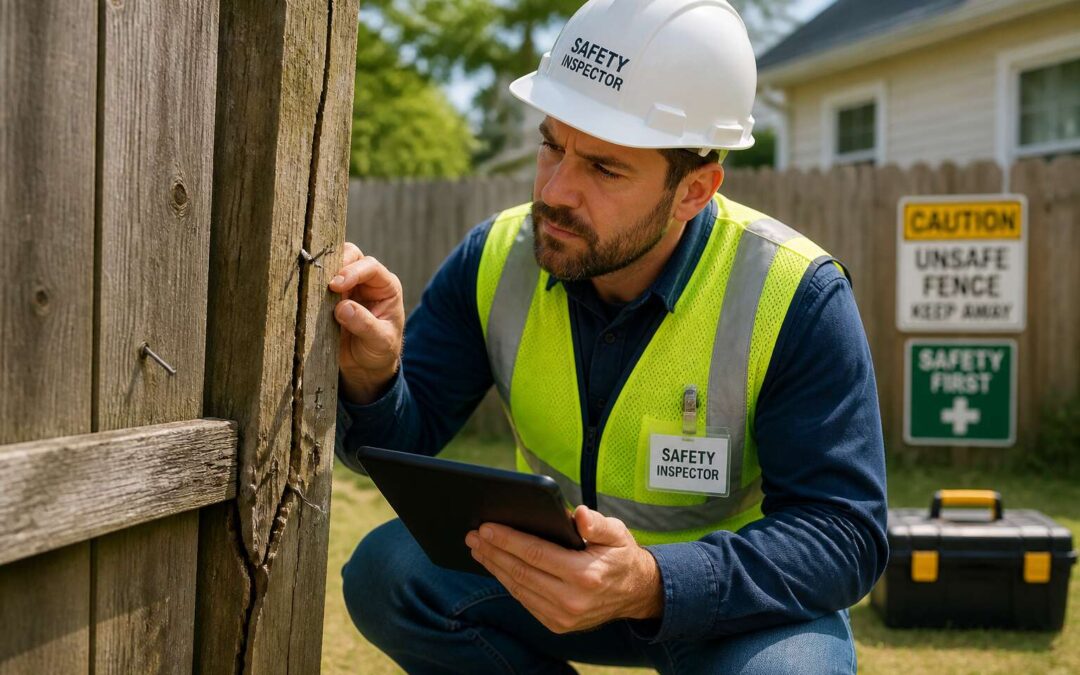
The Fundamentals of Fencing Risk Assessment
Every year, thousands of hectares of South African farmland are compromised by weak boundaries. A fencing risk assessment is the first line of defense, yet many property owners treat it as an afterthought. I have seen fences fail in spectacular fashion. This evaluation examines every meter of perimeter, noting pressure points, soil erosion, and signs of forced entry.
The process demands a clear eye and steady hands. You must consider seasonal weather shifts, local crime patterns, and the movement of wildlife. Each sagging wire or rusted post tells a story of neglect or wear. Ignoring these signals leads to costly livestock losses or, worse, dangerous intruders. A proper fencing risk assessment transforms vague worries into a concrete plan for protection. It is specific, practical, and utterly necessary for any serious landowner.
Legal Requirements and Compliance Standards
One overlooked gap in a temporary fence line can trigger a six figure fine in South Africa. The legal framework demands more than a simple barrier; it requires a documented fencing risk assessment that accounts for site conditions, foot traffic, and weather loads. Section 8 of the OHS Act places a duty on employers to ensure a safe working environment.
Compliance standards are not a single box to tick. They connect through several regulations. A proper assessment evaluates access points, proximity to roadways, and the potential for unauthorised entry. Without this evaluation, you risk criminal prosecution and civil damages.
Key legal requirements to review before installation:
- Load resistance against wind and impact forces
- Clear marking for night and low light conditions
- Inspection records every 14 days
- Emergency access provisions
Municipal by-laws add specifics for heights and materials in public areas. The courts expect proactive assessments, not reactive fixes. Update the fencing risk assessment after each storm or incident to stay lawful and protect every person who walks past.
Identifying Potential Hazards in Fencing Systems
A fence rarely fails all at once. It fails one overlooked section at a time. In South Africa, the sun and rain attack security barriers daily. A proper fencing risk assessment must hunt for these slow failures. Corrosion creeps into the wire mesh, weakening tensile strength. Rusty posts lean after years of harsh weather.
Look at the typical hazards we find on site!
– Gate latches that stick or break under pressure
– Sharp, exposed edges on damaged panels
– Tree branches pressing against the mesh, causing deformation
These problems compound silently. A solid fencing risk assessment weighs environmental stress, human interference, and structural fatigue. Skip this step, and a minor flaw becomes a serious liability!
Evaluating and Prioritizing Fencing Risks
A gate that slams shut in a Cape Town southeaster is not a design flaw; it is a warning. For property managers, a fencing risk assessment is about separating the inconvenient from the life threatening. I have seen budgets drained by pretty palisades while a leaning post rusted quietly in the corner.
Start by ranking hazards based on likelihood and consequence. A loose hinge might annoy you, but a collapsing motor gate can kill. Consider who touches the fence: children, delivery drivers, intruders. Each changes the equation. I always ask my clients to imagine the worst thing that could happen, then work backwards.
- Check access points for pinch and shear zones.
- Look for rust or corrosion at ground level.
- Verify automated systems have safety sensors.
Prioritize what causes injury or unauthorised entry over cosmetic issues. A fencing risk assessment that ignores this order is simply not doing its job.
Implementing Controls and Continuous Review
Implementing controls in a fencing risk assessment is not a one-time act. It is a continuous process, and I have seen too many venues mistake a laminated chart for safety. Controls must be practical, grounded in the actual layout of your range, and communicated to everyone with a whistle or a clipboard.
Continuous review is where the true value appears. Schedule monthly walkthroughs, but also listen for the small complaints that never make an official report! These details often reveal a loose post or a frayed glove line.
- Confirm each control still matches the current fencing risk assessment.
- Observe a session without intervening, just to see what is missed.
- Update the assessment within 48 hours of any incident or near miss.
This review cycle keeps safety measures current.