
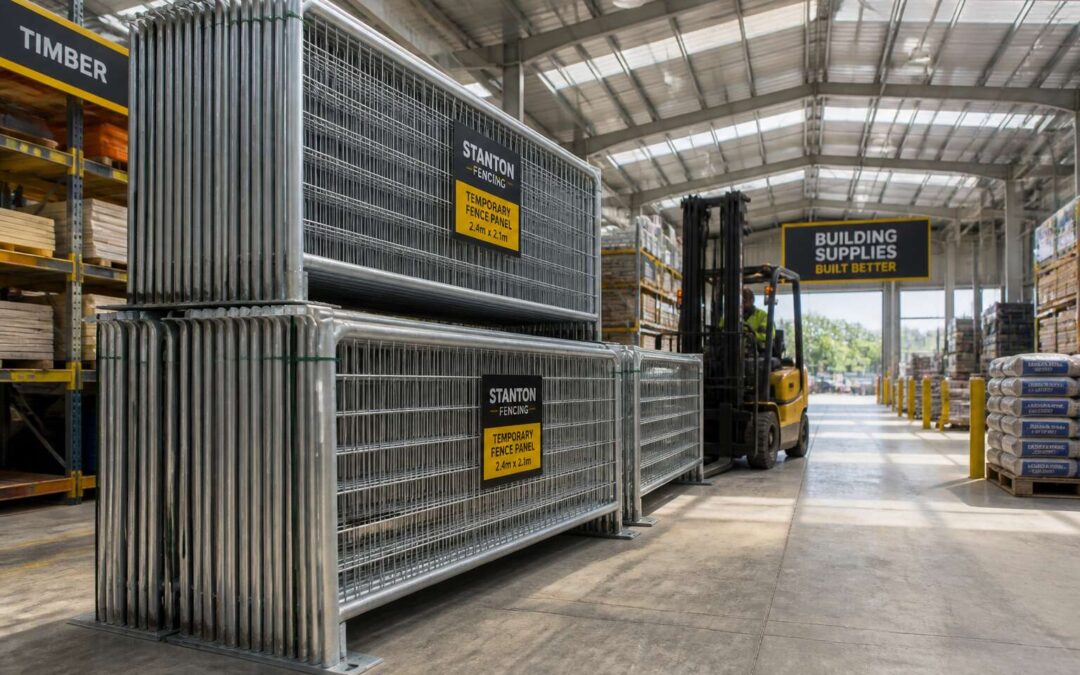
Exploring Popular Fencing Materials
In South Africa, a fence is the first line of defence against the dusk’s whispers. Wood breathes with warmth, but vinyl stretches to a brittle whisper. Steel stands stubborn, rusting only when ignored. Aluminium waits, lighter and silent.
- Victoria’s clay shifts, cracking timber posts.
- Coastal salt ambushes galvanised chains.
- Wind-borne sand polishes palisade edges.
Each material courts a different fate. For a home expecting the unexpected, the choice should be as unnerving as the shadow it casts. Builders warehouse fencing offers the palette for that choice!
Step-by-Step Installation Insights
Installing fencing from Builders Warehouse requires a methodical approach, but the sequence is straightforward. Start by marking your boundary lines, then set your posts in concrete. A common mistake is rushing the curing time, which weakens the entire structure. I have seen fences lean within a year because someone skipped this step.
- Dig post holes at least 600mm deep
- Mix and pour concrete to the correct consistency
- Use a level to ensure each post is perfectly plumb
After the posts set, attach the rails and then the panels. Work from one end to the other, and always predrill holes to avoid splitting the wood. Builders warehouse fencing panels come preassembled, which saves time, but you still need to align everything carefully. Patience here prevents gaps later. Finally, add a gravel board or sealer to protect against South African weather. Builders warehouse fencing done right will last for decades.
Pro Tips for Extending Fence Lifespan
Most fence repairs happen two years too late. In South Africa, direct sunlight dries wood, then rain swells it. Your builders warehouse fencing can last decades, but only if you notice the small signs on time. A damp patch, a rusted screw, a gap near the gate.
The most vulnerable point is always the ground line. Grass holds moisture against the wood, and that moisture leads to rot. I have replaced posts that looked fine above soil, yet crumbled below it.
Check the base twice a year. Remove any buildup. Seal cuts or drill holes where water can enter. That is not complicated work. It is simply attention, applied before the damage becomes visible.