
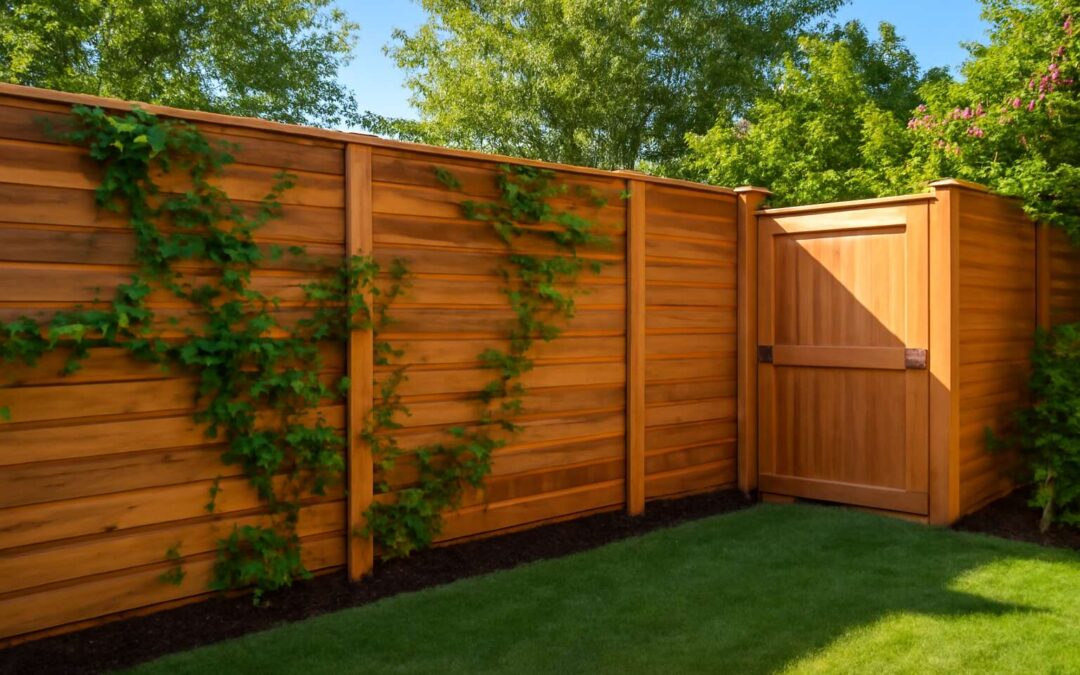
Choosing Fencing Options for Your Home
Overview of common fencing styles: privacy, picket, ranch, and security fences
A solid approach to fencing for home is more than a boundary—it defines space, boosts security, and adds curb appeal. In South Africa, the right fence can quiet street noise and lift property value in one confident move!
Here’s an overview of common fencing styles used by homeowners:
- Privacy fences: tall, solid panels for seclusion and wind protection.
- Picket fences: decorative lines that offer charm with partial visibility.
- Ranch fences: long, open profiles that suit expansive yards and rural aesthetics.
- Security fences: reinforced metal or high-visibility designs that emphasize deterrence and durability.
Each style carries a distinct vibe—from intimate courtyards to secure perimeters. Across South Africa’s climates, timber, steel, and modern composites balance maintenance with longevity. Fencing for home becomes both expression and boundary.
How to align fence style with home architecture and landscape
A fence is the first impression your home makes—an unspoken invitation to inhabit and enjoy the space beyond your doors. ‘A fence is the first impression of your home,’ says a Cape Town architect, and that impression is more than curb appeal—it frames daily life in light, shade, and sound. In South Africa, the right choice balances security, style, and climate, quietly lifting the property you care for—today!
Choosing options starts with your home’s architecture and landscape. For fencing for home, consider scale, material behavior in sun and rain, and maintenance costs.
- Proportion: ensure the fence complements rooflines and doors
- Materials: timber, steel, or composite that weather SA conditions
- Maintenance: durability, coatings, and warranty
A local contractor can tailor a fence to your plot and climate, ensuring longevity and a seamless fit with your garden’s rhythms.
Key factors to consider before buying: climate, soil, HOA rules, and local regulations
Across South Africa, a fence is not just boundary—it is a storyteller of your home’s character. A striking line of posts and panels can make the property feel safer, warmer, and alive. In fact, 68% of homeowners say a fence shapes daily life as much as the gate itself.
Choosing fencing for home means listening to climate and soil as you would to friendly forest spirits. Consider how sun, rain, and coastal salt sing to the materials you pick, and how maintenance myths fade in the heat of a summer day. Also weigh HOA rules and local regulations that write the stage for your fence.
- Climate realities: sun exposure, rain patterns, and corrosion risk
- Soil and drainage: foundation stability and weed growth
- HOA rules: height, appearance, and setback restrictions
- Local regulations: permits, zoning, and boundary laws
A local SA contractor can tailor a solution to your plot—honouring garden rhythms and climate, while keeping the line between privacy and openness clear as a bell.
Matching your property’s needs: pet safety, kids, security, and curb appeal
Choosing fencing for home is more than picking a barrier; it’s a boundary that whispers hello to morning sun and frames the garden’s daily ritual. For pet safety and kids at play, seek sturdy lines that feel welcoming and lift curb appeal without shouting. A thoughtful fence becomes a daily companion in your South African courtyard.
- Timber or composite for warmth and a natural feel
- Metal options for clear, confident boundaries
- Low-maintenance finishes to cut upkeep in hot summers
In the South African climate, your fencing for home can age gracefully with the house, balancing child-friendly play zones with guardianship for pets. A local SA contractor can tailor the option to your plot, harmonising materials with climate and garden rhythms while preserving an inviting street presence.
Materials and Durability for Residential Fences
Wood fencing: maintenance, longevity, and seasonal care
Weather is the true test of any wooden barrier. In South Africa’s sun and sudden showers, a fence must endure more than a gust of wind. “Wood remembers the seasons,” a seasoned craftsman once said, and that memory shows in the grain and the joints. For fencing for home, selecting a durable species and a respectful finish lets beauty age with you rather than bow to it.
Maintenance isn’t vanity; it’s a practical shield against rot, warps, and the harsh drama of seasonal shifts. Longevity comes from a mix of resilient timber and coatings that breathe with the wood while resisting sun and moisture. Seasonal care means noting sun-exposed tops, inspecting after storms, and keeping the base free of debris.
- Finish options suited to South Africa’s climate, such as penetrating oils or durable sealants
- Wood species with natural resistance to decay and moisture
- Protection around the base to reduce moisture exposure
- Regular checks for loose boards and insect activity
Durability is a conversation among wood, climate, and care. When these elements align, fencing for home becomes both boundary and statement—a quiet sentinel that ages with the landscape and adds curb appeal without shouting.
Vinyl and composite fences: durability, cleaning, and warranty
Vinyl and composite fences stand up to SA sun and sudden showers with a grin. For fencing for home, these materials deliver durability that wooden barriers can only dream of—no rot, no warps, and color that resists fading when the sun is playing hardball. Cleaning stays minimal and straightforward, as the surface resists grime and staining. Warranties commonly span decades, backing up durability with coverage on structural integrity and color stability, though you’ll want to check exclusions and maintenance stipulations.
- Durability: UV-stable resins and moisture resistance that resist warping
- Cleaning: low-maintenance surfaces that stay clean with minimal effort
- Warranty: long-term protection with clear terms
In the end, the right vinyl or composite fence turns fencing for home into a set-it-and-forget-it boundary that still looks sharp as the landscape evolves.
Metal fences: aluminum, steel, and security considerations
For fencing for home, metal fences—aluminum and steel—offer a blend of bite and beauty South Africans crave. Aluminum resists corrosion and shrug off sunbaked years, while steel provides heavyweight security with a clean, modern silhouette. Powder-coated finishes hold color against dynamic weather, so the fence keeps its edge without tarnish.
Consider these metal fence facets, and how they align with a fencing for home narrative:
- Aluminum: lightweight, corrosion-resistant, low maintenance
- Steel: maximum strength, dense privacy where needed
- Security considerations: reinforced posts, tamper-resistant hardware, solid gate design
In SA yards, that steel silhouette with a smart hinge becomes a boundary that deters trouble and invites curb appeal, proving that durability can be beautiful without shouting.
Installation and Maintenance for Home Fencing
DIY vs professional installation: cost, time, and quality
Two weekends, a bag of screws, and a splash of optimism—that’s fencing for home reality in South Africa. “A good fence is a bargain—until you forget the gate,” a contractor quipped. DIY is tempting, but wind and awkward gates bite back.
DIY vs professional installation comes down to cost, time, and quality. DIY saves upfront but can stretch weekends; pros charge more yet deliver a neater finish, quicker turnaround, and a warranty that survives storms.
- DIY: lower upfront cost, longer install time
- Professional: higher upfront, faster and tidier finish
- Maintenance: regular checks extend life
Maintenance after installation is straightforward when you pick durable materials and a simple upkeep rhythm.
Foundation and post setting: spacing guidelines and gate alignment
In South Africa, storms and sun test every fence; 40% of gates drift out of true after a heavy wind, turning a private corner into a tangle of excuses. For fencing for home, foundation and post setting are the quiet backbone—where spacing and alignment write the first chapter of durability.
Foundation and post setting demand thoughtful spacing guidelines and careful gate alignment. The rhythm of posts should speak evenly along the line, and gates should harmonize with the run rather than fight the wind.
- Post spacing: uniform along the boundary
- Gate alignment: hinge and latch in line
- Soil and foundation: adapt to site conditions
Maintenance after installation is simple when you choose durable materials and a light upkeep rhythm. Periodic checks for wobble, corrosion, and weathering help extend life, keeping your fencing for home looking pristine through the seasons.
Finishes, staining, painting, and weatherproofing
In a sun-scorched South Africa, where winds whisper or howl along every boundary, the finish is the quiet vow that keeps a fence resilient as years roll by. For fencing for home, finishes are armor against UV glare, rain sting, and the fickle moods of the season. A well-chosen coating elevates both look and life.
Three enduring finishes often lead the way:
- Staining to enrich timber while letting the grain breathe and resist fading.
- Painting to define style and provide a moisture barrier with color that lasts.
- Weatherproofing that seals surfaces while allowing them to flex with temperature changes.
Maintenance remains a gentle cadence: inspect for lifts in corners or faded edges and refresh the finish when needed, keeping your fence pristine through many seasons.
Seasonal installation tips and warranty considerations
Seasonal winds across South Africa shape every boundary, but a fence that’s properly installed stands as a quiet guardian through the years. “A well-installed fence is a quiet guardian,” a seasoned craftsman reminds us, and in fencing for home the install quality matters as much as the design. Seasonal shifts demand thoughtful anchorage, precise alignment, and hardware chosen to resist rust and warp. A robust start promises decades of steady performance.
Seasonal installation tips:
- Spring: plumb posts and set fresh concrete to anchor the line.
- Autumn: tighten fasteners and inspect for weather damage after storms.
- Year-round: maintain drainage around posts and gates to prevent moisture buildup.
For fencing for home, choose a warranty that covers materials and workmanship, with clear maintenance requirements. Read terms on UV exposure, rot, and rust; keep receipts and before‑and‑after photos; and note whether professional installation is required to maintain coverage.
Repair and reinforcements: common fixes and when to call a pro
“A fence is a quiet guardian!” a seasoned craftsman reminds us, and in fencing for home it bears the weather and the years. When wear shows, repairs keep the boundary honest and your property secure, without the drama of a full replacement.
Here in South Africa, coastal winds and cyclical rains test every boundary, so maintenance matters as much as design. Over time, common issues surface. Here are the typical fixes to consider before calling in a pro:
- Loose rails and warped boards that compromise privacy and rigidity
- Sinking or leaning posts that require reinforcements or re-anchoring
- Rusty hinges and misaligned gates that hinder operation
If framing shows serious rot, extensive post movement, or structural concerns beyond cosmetic touch-ups, it’s time to bring in a professional. A skilled technician can restore alignment, reinforce foundations, and ensure weatherproofing remains intact for fencing for home in the long term.
Security, Privacy, and Aesthetic Goals
Selecting height, opacity, and privacy levels
“Boundary clarity is security,” says a local fencing professional. In South Africa, homeowners want safety without a fortress look. When considering fencing for home, three goals rise to the surface: security, privacy, and aesthetic appeal. The right balance keeps evenings calm and the boundary legible from the street. Height, opacity, and privacy levels should reflect climate, yard shape, and family life.
- Low opacity: decorative open picket designs around 1.2–1.5 m for front boundaries.
- Medium opacity: privacy panels or slatted boards at 1.8–2.1 m for more seclusion.
- High opacity: solid panels at 2.4 m or taller when maximum privacy and security are priorities.
These ranges help shape security, privacy, and aesthetics for diverse homes, balancing light, sightlines, and outdoor living across the South African climate.
Smart fencing features: gates, latches, anti-climb designs, and access control
A surprising 60% of South African homeowners say safety after dark is their top concern, and the fence is the first thing a visitor reads about your home.
For fencing for home, security, privacy, and aesthetics must sing in harmony. Smart fencing features matter: gates that open quietly and lock tight, dependable latches, anti-climb designs, and precise access control that keeps the right people in and the wrong ones out!
- Gates that open smoothly and lock securely
- Weather-resistant latches that stay tight
- Anti-climb designs tuned to local conditions
- Smart access control with controlled entry
In the rural South African evenings, a fence that balances light, line, and function makes a boundary feel like welcome, not a barrier.
Integrating landscaping for visual appeal and security
Sixty percent of South African homeowners sleep with one eye open after dusk. In fencing for home, security and privacy must sing in harmony with light and line. The fence is the opening verse of your house’s story, shaping how visitors read your boundary. Landscaping should weave it into the yard, not merely stand as a fortress.
Think of the boundary as a living frame: soft, durable materials that blend with surroundings; gates that whisper open; planting that invites light while denying easy access.
- Angles and shapes that deter climbers while complementing the architecture
- Lighting that guides paths without glare
- Evergreen screens that maintain privacy year-round
Balancing security with aesthetics turns the fence into a welcoming boundary rather than a barrier. The line between protection and personality becomes a poetry you can live with.
Pet and child safety considerations and best practices
Boundary security is the opening act of your home’s story. In South Africa, more than 60% of homeowners sleep with one eye on the gate after dusk, so your fence must do more than look good. fencing for home should harmonize security, privacy, and aesthetics, letting light breathe while the line of the fence guides the eye. The boundary becomes a living frame that blends with the yard rather than shouting fortress.
Pet and child safety takes center stage. Favor smooth surfaces, rounded tops, and gates that close with a quiet, dependable click. Prioritise clear sightlines along walkways and dependable locking mechanisms that resist tampering, because good design is the best resident you’ll ever meet.
- Anti-climb design that preserves curb appeal
- Rounded edges and smooth rails for little hands
- Reliable, simple-latch gates for safe, easy access
Cost, Permits, and ROI for Home Fencing
Estimating material and labor costs by fence type
Cost is the quiet sentinel in the night of home security, and numbers can chill—or charm. For fencing for home, price drifts with material, height, and the promise of privacy. In South Africa, permits are required for fences above 1.2 to 1.8 meters in urban settings; ROI grows with curb appeal and safety!
Here are rough installed costs to guide planning:
- Wood fencing (privacy): about R700–R1,100 per meter installed, depending on timber quality and access.
- Vinyl/composite fencing: roughly R1,300–R2,000 per meter installed, low maintenance.
- Steel palisade or security fencing: around R1,000–R2,000 per meter installed.
ROI remains the final spell: a fence that complements the dwelling can lift curb value, typically returning 60%–80% of cost when upkeep and access features shine. Permits and local rules still frame the ledger!
Permits, HOA rules, and neighbor considerations
Cost is guided by material, height, and privacy. For fencing for home, rough installed costs guide planning: Wood privacy: about R700–R1,100 per meter installed; Vinyl/composite: R1,300–R2,000; Steel palisade: R1,000–R2,000. ROI remains strong: typically 60–80% of cost when upkeep and access features shine.
Permits and HOA rules frame the ledger. In urban settings, fences above 1.2–1.8 meters may require a permit; some estates or HOAs impose setback and design rules that affect materials and gates.
- Check local height limits and permit requirements
- Notifying neighbours before starting helps avoid disputes
- Verify boundary lines with a survey or deed
- Plan gate alignment and access points to suit daily use
Neighbors considerations: Boundary clarity and respectful placement reduce friction and future adjustments. That careful approach supports the broader goals of fencing around the home—safety, privacy, and beauty, enhancing street appeal without upsetting the neighbourhood rhythms.
Return on investment: curb appeal, property value, and energy efficiency
As you plan fencing for home, cost comes into sharp focus. Rough installed costs guide planning: wood privacy about R700–R1,100/m; vinyl/composite R1,300–R2,000/m; steel palisade R1,000–R2,000/m. Balance upfront expense with longevity for years of quiet privacy and curb appeal.
Permits and HOA rules frame the ledger. In urban settings, fences above 1.2–1.8 m may require a permit; HOAs often impose setbacks and design rules that guide materials and gates. Neighbourliness tends to be smoother when boundaries are clear, and surveys or deeds help affirm land lines. Gate alignment considerations naturally influence daily use.
ROI for fencing for home remains strong: typically 60–80% of cost when upkeep and access features shine. The return spans curb appeal, property value, and energy efficiency.
- curb appeal
- property value
- energy efficiency
Warranties, maintenance costs, and lifecycle budgeting
Cost and warranties set the tempo for fencing for home. Warranties vary by material, and maintenance costs shape lifecycle budgeting. Rough installed costs in SA sit around R700–R1,100/m for wood, R1,300–R2,000/m for vinyl, and R1,000–R2,000/m for steel palisade. Ongoing upkeep belongs in the cash flow.
Permits and HOA rules frame the ledger. In urban settings, fences above 1.2–1.8 m may require a permit; HOAs often impose setbacks and design rules that guide materials and gates. Clear boundaries ease neighborly relations; surveys affirm land lines and guide gate alignment for daily use.
ROI for fencing for home remains sturdy, typically 60–80% of cost when upkeep and access features shine. The returns touch curb appeal, property value, and energy efficiency, making protection translate into long-term equity.