
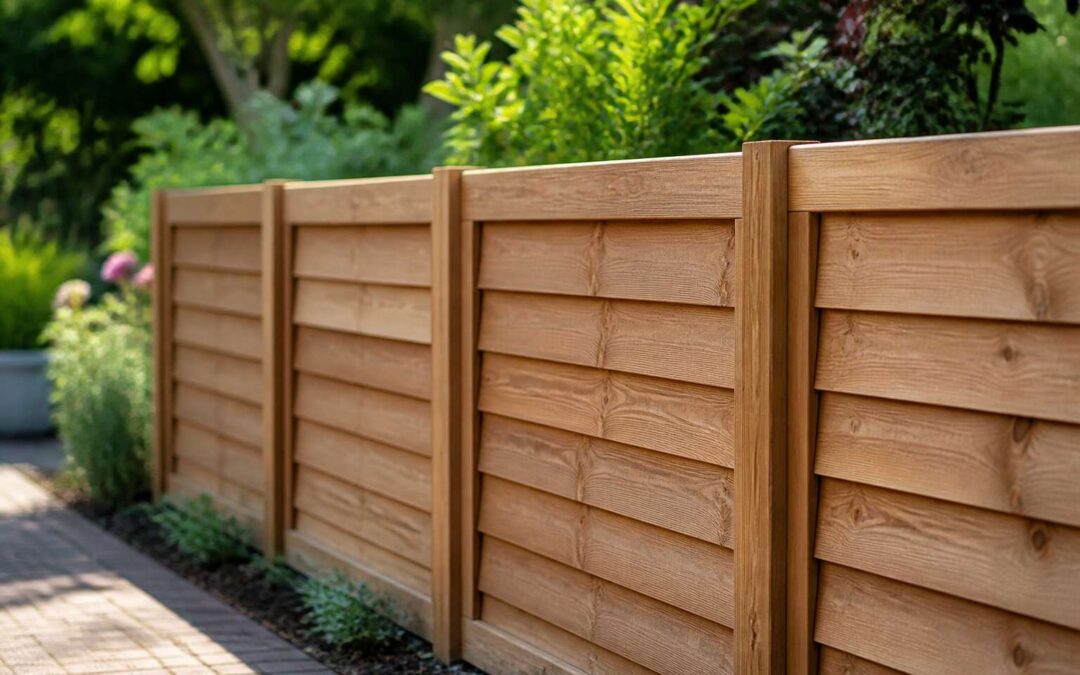
Understanding Low-Height Fencing Options
Defining Low-Level Boundary Solutions
A fence does more than mark a line. Fencing 1m high offers a subtle boundary that secures a space without isolating it. In South African suburbs, this height is common for front gardens, pool areas, and pedestrian gates. It deters casual trespassers while preserving sightlines.
Several materials suit this low profile:
– Steel palisade adds a durable, industrial character.
– Wire mesh provides visibility at a lower cost.
– Precast panels deliver a solid, private look.
Defining low-level boundary solutions involves more than measuring height. It requires assessing the terrain, the local climate, and the intended function. A 1m fence near a street needs different anchoring than one at the rear of a plot.
Ultimately, a low fence changes the relationship between a property and its surroundings. It invites connection rather than confrontation. This balance is the core of low-height fencing.
Common Use Cases for Knee-High Barriers
Understanding low-height fencing options starts with acknowledging what a 1m barrier actually achieves. It signals ownership without announcing suspicion. In practice, fencing 1m high alongside a driveway keeps cars from mounting the verge while leaving the house fully visible from the street.
Common use cases for knee-high barriers include:
- Separating a front lawn from a public walkway without blocking views
- Enclosing a compost area or vegetable bed from roaming dogs
- Creating a child-safe zone around an outdoor braai area
Many homeowners pair fencing 1m high with a gate at the same height for pedestrian access. This arrangement works well for erf boundaries that face a park, where a taller fence would sever the visual connection to open space. It also suits sloped stands, where a low line of panels can follow the contour without requiring extensive excavation.
Decorative vs. Functional Low Fences
What makes a low fence honest? Most people treat a metre-high barrier as a mere formality, but it forces a decision. A decorative screen reveals its character through spacing and silhouette. A functional rail reveals itself through rigidity.
Choosing fencing 1m high means accepting that two needs coexist. You might want the lawn to feel open, yet you still need to block a stray ball. So you ask whether the structure announces or enforces.
- Decorative low fences shape perception before movement.
- Functional low fences shape movement before perception.
The distinction is not cosmetic. It determines how a boundary ages under sun, wind, and curious hands. One welcomes inquiry; the other absorbs it. When you stand behind fencing 1m high, you feel which kind you built.
Key Benefits of Installing a One-Meter Garden Border
Defining Property Lines with Subtlety
Few sights sour a Sunday braai faster than a neighbour who insists your aloe bush belongs to them. A one-meter border ends that argument. It marks the curtilage clearly enough to stop disputes, while staying low enough to wave over. In South Africa, where boundaries trace older, imprecise lines, this subtle demarcation solves it.
The psychological benefit is real. A low fence asserts ownership without aggression. It maintains the boundary while preserving sightlines from the stoep. Consider what it delivers:
- A clear boundary that does not block views of the koppie.
- A cue that keeps the wheelbarrow on your side.
- A polite notice to the neighbouring dog about its jurisdiction.
Opt for fencing 1m high and you get a feature, not a fortress. A neighbour may mistake it for a trellis until the lawnmower clips a post. This fencing 1m high approach settles the matter without blocking the horizon.
Keeping Small Pets and Children Safe
South African gardens often open onto shared driveways, and that gap invites trouble. According to emergency services, most child wandering incidents happen within two minutes of a parent turning away. A fencing 1m high border buys those minutes without turning your erf into a cage.
For small pets, the advantage is simpler. One metre of mesh stops a dachshund from following a scent, while still letting you call them back. I have watched neighbours lift their dogs over such a fence, which shows the height respects everyone’s space. It earns its place through:
- toddlers cannot scale it easily
- puppies cannot squeeze underneath
- gates stay light enough for one hand
That last point matters when you need to grab a child quickly. Fencing 1m high keeps the boundary practical, not restrictive.
Enhancing Curb Appeal Without Obstructing Views
A one metre boundary changes how a street perceives your home. At this height, the eye passes over the fence line and lands on the garden itself. That visual continuity adds perceived depth to a narrow erf, a quiet advantage in dense suburbs where every square metre counts.
Fencing 1m high signals intention without demanding attention. Neighbours can still exchange greetings over it, and passersby see the landscaping rather than a barrier. The front facade stays visible, which helps the house hold its presence in the street scene.
- Preserves sightlines from the street to the architecture
- Keeps the facade visible for security monitoring
- Reduces the visual mass of boundary structures
For homeowners weighing fencing 1m high options, the curb appeal payoff is immediate. Low borders also sit comfortably within municipal design guidelines in many South African suburbs, avoiding the compliance burden that taller structures often carry.
Creating a Low-Cost Alternative to Full-Size Fencing
The price gap between a one metre fence and a full height alternative is wider than most people expect, often surpassing 40% once materials and labour are counted. That is the first benefit: fencing 1m high turns a boundary into a low cost project. You skip the deep post holes, the heavy panels, the concrete footings!
- Lightweight posts set in shallow holes
- Simple mesh or picket sections
- No need for engineers or special permits
Maintenance is easier because lower fences catch less wind and their surface area for painting or treatment is far smaller. For a narrow erf, this means a defined edge that costs little to install and even less to keep.
Fencing 1m high delivers the economy of a boundary without the usual overhead. I have seen homeowners complete a full front border in a single weekend.
Popular Materials for Low-Level Boundary Fences
Timber Pickets and Rustic Charm
Timber pickets offer a straightforward, textured look that prefabricated panels lack. For a boundary set at fencing 1m high, the choice of wood determines the whole effect. Saligna, pine, and meranti behave differently under South African sun and rain. In my experience, saligna holds its shape well. Pine needs treatment but takes stain easily. Meranti provides natural durability at a higher price.
Rustic charm appears in irregular grain, visible saw marks, and gaps that let light through. A low fence accentuates these details because the eye passes close to the surface. Rounded tops soften the line; pointed tops add rhythm.
When selecting timber for fencing 1m high, consider:
- Rot resistance matters for ground contact.
- Knots and splits become features at low height.
- Pre-treated pine is economical and replaceable.
The fence should feel like part of the landscape, not a barrier. Left to silver naturally, timber pickets achieve that integration well.
Wrought Iron and Aluminum Panels
A low fence can still mean business. In South Africa, where security is often top of mind, the sight of wrought iron instantly signals solidity. For fencing 1m high, this material offers a strong visual anchor without looming over the property. The weight of the metal gives it a permanent feel, and the vertical bars create a rhythm that draws the eye along the boundary.
Wrought iron, however, demands attention. The South African climate, with its harsh sun and coastal salt, will punish untreated metal. Rust is a constant threat. You will need to repaint or treat it regularly to keep it looking sharp. On the other hand, aluminum panels have become the quiet workhorse of low-level boundaries. They shrug off the elements. No rust, no constant upkeep, and they are light enough for quick installation.
Choosing between the two often comes down to your tolerance for maintenance.
- Wrought iron provides a classic, robust look but needs yearly rust treatment.
- Aluminum offers a modern, clean finish that is virtually maintenance free.
- Aluminum is easier to install on uneven ground due to its lighter weight.
- Wrought iron is often more expensive upfront due to the labour involved in its fabrication.
For a fence that is meant to be seen over, the profile of the material matters. A 1m high fence puts the craftsmanship at eye level. The weld quality on wrought iron or the powder coating on aluminum becomes a defining feature. While timber ages gracefully, metal panels tend to hold their colour and line. The decision is a practical one, balancing the aesthetic of permanence against the ease of modern materials.
Composite and Vinyl Low-Maintenance Options
Composite boards have become a quiet staple in the low fence world. They mimic timber grain but skip the annual oiling and the warping that coastal humidity brings. For a fencing 1m high, composite offers a dense, stable profile that stays true year after year.
Vinyl takes the idea further. It is hollow, light, and remarkably resistant to the South African sun. No chipping, no peeling. Just a solid colour that holds through winter storms and summer heat alike.
- Composite blends wood fibre with recycled plastic, so it keeps a natural texture without the rot.
- Vinyl panels are easy to wipe clean and never need a fresh coat of paint.
Both materials suit a fencing 1m high boundary where you want the line to feel intentional, not demanding. They sit quiet and steady, doing their job while you get on with life.
Wire Mesh and Lattice for Plant Support
Wire mesh, when paired with a creeping fig or a jasmine, becomes a vertical garden. For those who prefer structure before the plants fill in, a galvanised mesh panel on a fencing 1m high offers an unobtrusive skeleton. The gaps let light pass while giving tendrils something to grip.
Lattice works differently. It invites roses and granadillas to climb in a deliberate pattern. The classic diamond grid suits small gardens, where a solid fence would swallow the space. A wooden lattice cap on a low boundary adds height without blocking the view.
- Welded mesh, rigid and secure for vegetable patches
- PVC coated wire, softer on hands and resistant to rust
- Wooden trellis, with a texture that weathers gracefully
Both materials work well on a fencing 1m high in the South African climate. The sun may fade paint, but wire and lattice hold their line through summer storms and dry winters.
Recycled and Eco-Friendly Choices
Choosing materials for a fencing 1m high used to mean working from a short list of timber and wire options. That list has grown. Recycled plastic lumber, made from discarded containers and packaging, offers the look of painted wood without the upkeep. It does not warp in Karoo heat or crack during Cape Town’s wet winters.
Gabion baskets provide a different recycled approach. Filled with broken brick and concrete from local demolition yards, they create a sturdy low boundary that drains well and never rots. The steel mesh cage stays stable for decades.
Take these options seriously when planning a fencing 1m high:
– Recycled plastic planks that resist termites
– Gabion baskets filled with reclaimed rubble
– Salvaged corrugated steel sheeting
– Compressed earth blocks stabilised with a small cement content
Step-by-Step Installation Guide for Short Decorative Fencing
Measuring and Mapping Your Perimeter
A 30 minute job becomes a weekend project if your measurements drift! For a fencing 1m high, the difference between a clean line and a wobbly one starts with how you measure. Walk the boundary first, noting slopes and existing obstacles.
Then map each stretch precisely:
- Set pegs at every corner.
- Stretch a string line between pegs to expose high and low spots.
- Measure each gap end to end, then subtract the width of each panel to find exact post positions.
Sketch the results on paper. A fencing 1m high leaves no room for guesswork, as a single misaligned post disrupts the entire fence line. Verify gate openings and cross check the numbers against your title deed before you dig.
Preparing the Ground and Post Holes
The trenches you dig today determine how straight your boundary stands for years. A fencing 1m high carries less wind load than taller screens, but that does not excuse careless ground preparation. Strip turf and topsoil along the marked line to remove organic material that settles and shifts posts later.
Once the ground is bare, dig each post hole 400 millimetres deep. For sandy South African soils, go deeper. Use a manual auger or a spade; the hole should be three times the width of the post.
Set the posts:
1. Place a 100mm gravel layer at the base for drainage.
2. Position the post and check plumb with a spirit level.
3. Backfill with concrete, mounding it slightly above ground level.
Let the concrete cure for 24 hours before hanging panels. For a fencing 1m high, this preparation keeps posts locked in place through heavy rain and gusty afternoons.
Setting Posts and Fixing Panels Securely
Once the concrete cures, the installation continues. For a fencing 1m high, the panels are light enough to handle alone, but they still demand precision. Mark the top rail height on each post, then fix the rails with galvanised brackets.
- Attach the first panel to the end post, checking it sits level.
- Drive screws through the pre-drilled holes, but do not overtighten.
- Move to the next post and repeat, using a spacer to keep gaps even.
Panels need secure fixing at both top and bottom. Use stainless steel screws to avoid rust in coastal air. Check each joint with a spirit level before final tightening. This method keeps the fence rigid without cracking the frame.
Compliance and Safety Considerations for Low Fences
Local Zoning Rules and Permit Limits
Regulations for a fencing 1m high are often deceptive. Many assume a low barrier needs no permit. That assumption can cost you. South African municipalities enforce byelaws for even knee-high structures, with fines for non-compliance.
Check your local zoning scheme. It dictates boundary setbacks and allowed materials. Some areas require a building plan, others only a letter of approval. The permit limit is not always about height; it can relate to street-facing boundaries.
- Verify set-back distances
- Confirm heritage district rules
Safety also matters. Fencing 1m high can block driver sightlines at corners. Municipal engineers often demand transparent panels there. Always consult the planning department before digging. A permit costs little compared to a removal order.
Height Restrictions Near Sidewalks and Driveways
Here is the part most people ignore. A knee-high fence can cause an accident if it sits too close to a driveway. The sightline triangle matters more than the height of the barrier. South African municipal engineers apply strict rules for corner stands. They require transparent panels where fencing 1m high could obscure a driver’s view.
- Check the set-back from the sidewalk edge
- Confirm street-facing or internal boundaries
- Ask about sightline clearance at entrances
The permit limit often depends on these factors, not the measurement alone. Fencing 1m high on a street boundary can create a blind spot that a 500mm lattice panel would not. I have seen homeowners ordered to remove an entire fence because they skipped this verification. The planning department is the only authority that can approve your location. A removal order costs far more than an enquiry.
Ensuring Visibility at Corners and Entrances
A fence that measures perfectly within the legal limit can still fail a safety inspection. Municipal officers in South Africa assess low barriers through the eyes of a driver approaching an intersection. The solidity of the panel matters as much as its height.
When preparing your submission, consider these compliance points:
- The distance between the fence and the roadway edge
- The angle of the corner and the driver’s turning radius
- The opacity of the material at dusk and during heavy rain
A fencing 1m high solution that uses solid timber can completely obscure a small child stepping onto the road. The same height in mesh or spaced pickets allows a driver to detect movement early. Approval depends on this practical visibility test. The planning department will judge your fence on what it hides. A removal order follows when the barrier blocks the view. Enquire first.
Choosing Safe Materials for Children’s Play Areas
Ask any parent and they will tell you that a 1m fence is less a barrier and more a suggestion. Yet compliance officers treat fencing 1m high as a serious boundary, especially near play areas. The material you choose matters beyond aesthetics.
Safety hinges on avoiding splinters, sharp edges, and toxic treatments. Timber must be smooth and sealed with child-safe sealants. Metal panels should have rounded tops, not spear points. Mesh needs openings small enough to prevent trapped fingers.
- Lead-free paint and non-toxic wood preservatives are non-negotiable.
- All fasteners must be recessed or flush.
- Materials that stay cool under the African sun prevent burns.
That last point surprises people. A metal fence can burn little hands in summer. A composite or vinyl option might be kinder. Whatever you choose, remember that fencing 1m high in a play area must pass a safety test that no inspector will explain twice.
Creative Landscaping Ideas with Compact Fencing
Pairing Low Fences with Flower Beds
South African gardens often struggle to balance open space with defined edges. A fencing 1m high offers a clever solution when paired with flower beds. The fence acts as a subtle frame, letting plants take centre stage. Position the beds directly in front, and allow climbing varieties to weave through the panels. This creates depth without overwhelming the view.
To maximise the effect, consider a simple plant list:
- Arum lilies for damp corners
- Aloe for sunny, dry spots
- Wild dagga to attract birds
By tucking these at the fence’s base, the boundary disappears into the garden. I have seen this trick turn narrow strips into lush, layered displays.
Using Short Fencing as a Trellis for Climbers
Short fencing works as a trellis for climbers in unexpected ways. A fencing 1m high, installed along a sunny boundary, becomes a lattice for peas, roses, or jasmine. The structure supports growth while remaining low enough to preserve sightlines.
- Aloe and succulents for dry zones
- Ferns for shaded patches
- Passionfruit for edible coverage
Over time, the fence vanishes beneath a tangle of stems and blossoms. This approach suits narrow urban gardens where tall barriers feel oppressive. The compact form encourages dense planting without casting heavy shade.
Combining Fence Lines with Outdoor Lighting
The sun dips behind the koppie, and the garden changes character. This is where a fencing 1m high, fitted with low-voltage LEDs, earns its keep. The light traces the boundary, casting a warm wash across stone and lawn without blinding anyone on the stoep.
Placement matters as much as fixture choice:
– Uplights at post bases to silhouette the panels
– Small spotlights angled along the walkway
– String lights woven through the top rail
The result is a subtle guide for evening movement. South African homeowners often entertain outdoors well past sunset, and this pairing extends those hours comfortably. The low profile keeps illumination soft, making the fence a functional part of the landscape rather than an afterthought.
Creating Defined Pathways and Garden Zones
Garden spaces need structure, but too much enclosure disrupts the flow of a small erf. A fencing 1m high provides that structure while respecting the surrounding views. In Pretoria and Cape Town suburbs, homeowners use these low barriers to separate vegetable beds from entertainment areas, or to guide visitors along a gravel path.
Consider these applications:
– A curved line of fencing 1m high leading from the gate to the front door
– Low panels marking the edge of a herb garden
– Short runs between shrubs to create quiet seating nooks
The placement defines movement. A person walking toward the braai area naturally follows the line of the fence. The zones feel intentional, yet the garden remains open to the sky. This is landscape design that works with the contours of the property, not against them.
Mixing Complementary Materials for a Modern Look
A single material pairing can define the entire character of a modern garden. A fencing 1m high with slim oak slats set into a steel frame offers the warmth of wood and the precision of metal. In Cape Town’s windier suburbs, homeowners pair concrete plinths with timber tops to anchor the fence against the elements.
Consider these complementary combinations:
- Powder-coated aluminium posts with horizontal cedar boards
- Stone pillars with mesh infill panels
- Charred timber slats with black steel rails
The trick lies in restraint. Two materials, one dominant, one accent. I have seen this work best when the material change mirrors the house. If your home features face brick, echo that texture in the fence base. This visual link between house and garden creates a cohesive modern look without the weight of a full boundary. The same principle applies to gates, where a steel frame with timber infill can tie the whole composition together.