
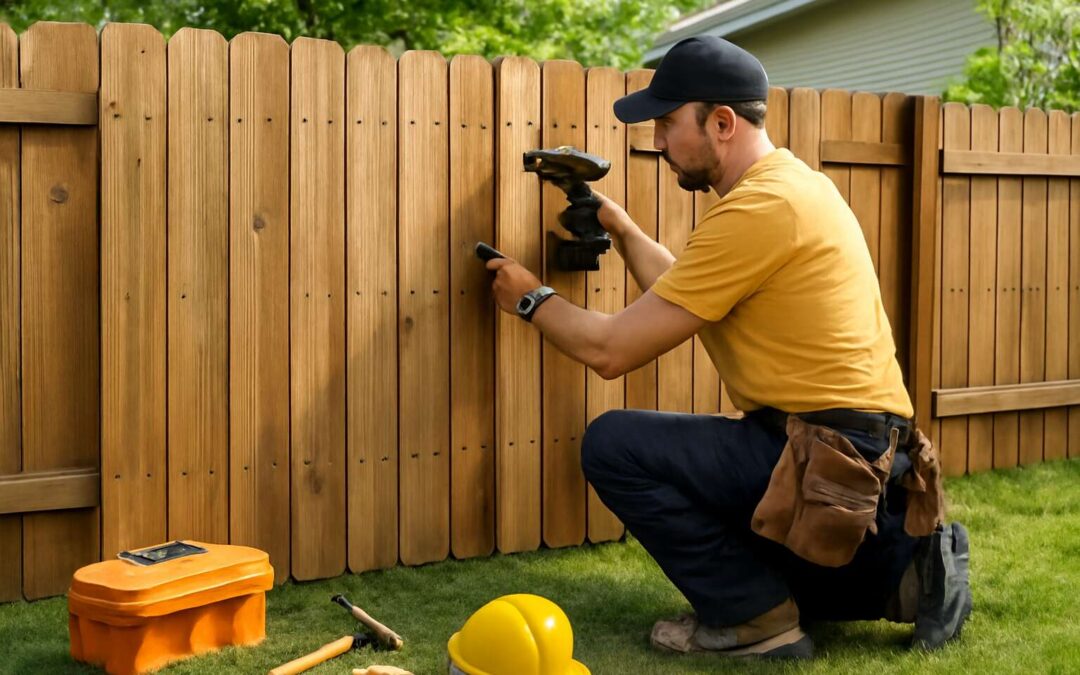
Understanding the Fencing Industry
Overview of the Fencing Market – Current industry trends and market size
The fencing industry in South Africa is experiencing a vibrant surge, driven by a growing demand for security and aesthetic appeal in both residential and commercial sectors. Recent market analysis reveals that the fencing market size is projected to grow at a compound annual growth rate (CAGR) of 7% over the next five years, signaling a promising horizon for entrepreneurs eyeing the fencing business. This upward trajectory is fueled by urban expansion, infrastructure development, and an increased emphasis on safety measures.
Current industry trends showcase a shift towards innovative materials such as composite fencing and eco-friendly options, which appeal to environmentally conscious consumers. Additionally, technological advancements like automated fencing systems are transforming traditional practices, offering new avenues for growth. For those entering the fencing business, understanding these trends is crucial to staying competitive in this dynamic landscape. The market’s expanding size presents abundant opportunities for established companies and newcomers alike, eager to carve out their niche amidst the evolving fencing industry.
Types of Fencing Services – Residential, commercial, industrial fencing solutions
The fencing industry in South Africa is as diverse as the landscapes it borders. From sprawling residential gardens to extensive industrial complexes, each sector demands tailored fencing solutions that blend security with aesthetic appeal. Understanding the different types of fencing services is essential for anyone venturing into the fencing business, as it allows you to meet the unique needs of your clients effectively.
Residential fencing services often focus on enhancing curb appeal while providing safety for families. Think ornamental wrought iron, durable vinyl, or eco-friendly wooden options that transform a simple boundary into a statement of style and security. Meanwhile, commercial fencing solutions are designed with robustness and functionality in mind, offering a range of options from chain-link to high-security steel barriers. Industrial fencing, on the other hand, requires heavy-duty materials capable of safeguarding valuable assets and ensuring personnel safety. This category may include reinforced fencing, automated systems, and specialized access controls.
Within the fencing business, recognizing these distinct sectors helps entrepreneurs craft specialized offerings that resonate with customer needs. Whether installing a charming picket fence for a suburban home or a secure perimeter for a sprawling industrial site, understanding the nuances of each fencing service is key to thriving in this vibrant industry.
Key Players in the Fencing Business – Small contractors vs. large fencing companies
In the shadowy corridors of the fencing business, the key players walk a fine line between the mundane and the magnificent. Small contractors, often cloaked in anonymity, carve their niche with a keen eye for detail and a personal touch. They are the artisans who breathe life into humble gates and delicate picket fences, transforming simple boundaries into whispers of artistry. Yet, lurking just beyond their reach are the towering giants—large fencing companies—whose shadow looms over entire districts with their formidable infrastructure and vast resources.
These giants dominate the fencing industry with a relentless drive, churning out high-security solutions and industrial barriers that seem almost invincible. For the small contractor, competition is fierce, but their agility allows them to adapt swiftly to niche needs, offering bespoke solutions that large companies often overlook. The industry’s landscape is marked by this dichotomy—where personalized craftsmanship meets industrial might, both vying for a place in the ever-evolving fencing market.
- Size and scope of operations
- Range of fencing services offered
- Customer relationships and reputation
- Flexibility in project execution
Understanding these distinct sectors within the fencing business is crucial. Whether you’re weaving through the shadows as a boutique contractor or commanding the industry as a colossus, recognizing the nuanced demands of each player shapes your path in this darkly mesmerizing industry.
Starting a Fencing Business
Business Planning and Licensing – Necessary permits and legal requirements
Starting a fencing business requires more than just a passion for fences. One of the most critical steps is understanding the legal landscape. Securing the necessary permits and meeting licensing requirements can vary by region but are essential to operate legally and avoid costly penalties.
In South Africa, you’ll need to register your fencing business with the Companies and Intellectual Property Commission (CIPC) and obtain relevant municipal licenses. These legal requirements ensure compliance with safety standards and zoning laws. Additionally, local authorities may require environmental clearances if your fencing projects involve significant land alteration.
Some fencing business owners overlook the importance of comprehensive planning in this phase. A well-structured business plan can streamline licensing processes and clarify your market niche. It’s also wise to consult with legal professionals to navigate regulations effectively. After all, a solid legal foundation is the backbone of a thriving fencing business!
Market Research and Target Audience – Identifying profitable niches and customer segments
Before you dig that first posthole in South Africa, you need to know who you’re fencing in—and who you might be fencing out. Market research is the secret sauce that reveals profitable niches and customer segments, ensuring your fencing business isn’t just another fence-sitter. By understanding specific needs—be it security, privacy, or aesthetic flair—you can tailor your services to stand out in a crowded marketplace.
Focus on identifying your ideal clientele—residential property owners seeking stylish garden fences, commercial clients needing robust security solutions, or industrial sites requiring heavy-duty barriers. A keen eye on regional trends, like increased demand for eco-friendly fencing or smart fencing technology, can give your fencing business a competitive edge. For example, urban areas may favor sleek, modern designs, while rural clients might prioritize durability over looks.
- Pinpoint profitable niches that align with your expertise and local demand.
- Segment your target audience based on property type, budget, and fencing preferences.
- Research competitors to identify gaps you can fill—less fencing, more standing out!
By honing in on these segments, your fencing business can carve out a unique space in South Africa’s vibrant property landscape. After all, knowing your audience isn’t just good business—it’s the difference between a fence that’s admired and one that’s forgotten!
Equipment and Material Procurement – Tools, fencing materials, and suppliers
Starting a fencing business demands more than just a vision—it’s about equipping yourself with the right tools and materials to turn ideas into tangible barriers. The foundation of a successful fencing business lies in sourcing quality fencing materials that withstand South Africa’s diverse climate and terrain. Reliable suppliers become your silent partners, ensuring you have access to everything from galvanised steel and timber to modern composite options.
Choosing the right equipment is equally crucial. A well-stocked inventory of post drivers, wire stretchers, cutting tools, and safety gear not only boosts efficiency but also safeguards your team. Establishing relationships with trusted fencing suppliers can often mean better prices, priority access to new products, and consistent quality.
- High-grade fencing materials suitable for residential, commercial, and industrial projects
- Power tools such as post drivers, saws, and drills
- Hand tools for detailed work and finishing touches
- Safety gear to protect your crew during demanding installations
In this fiercely competitive fencing business landscape, sourcing the right combination of tools and materials is your secret weapon—an investment that pays dividends in reputation, durability, and client trust.
Effective Marketing Strategies for Fencing Companies
Building a Professional Website – Showcasing portfolio and reviews
A compelling website can be the silent ambassador of your fencing business, speaking volumes to potential clients long before a handshake occurs. Showcasing a vivid portfolio of completed projects not only demonstrates craftsmanship but also builds trust—an essential currency in the fencing industry. Pair this with authentic reviews, which serve as social proof, transforming skepticism into confidence. When visitors see genuine feedback from satisfied clients, they’re more inclined to choose your fencing business over competitors.
Furthermore, a professional website should be a reflection of your expertise, highlighting the range of fencing solutions you offer—residential, commercial, or industrial. Incorporating a well-organized gallery and a dedicated testimonials section can significantly elevate your credibility. Remember, in a market as competitive as South Africa’s fencing industry, a polished online presence isn’t just an option; it’s a vital component of effective marketing strategies that can propel your fencing business to new heights.
Local SEO Optimization – Ranking for fencing services in local searches
In the bustling realm of South Africa’s fencing business, standing out amidst a sea of competitors requires more than just craftsmanship—it demands strategic visibility. Effective marketing strategies, particularly local SEO optimization, can transform your fencing company from a hidden gem into a household name in your community. By honing in on local search engine rankings, your fencing business can appear at the very moment potential clients seek fencing services nearby, turning online searches into tangible leads.
To elevate your presence, ensure your website is enriched with location-specific keywords, such as “fencing services in Johannesburg” or “Cape Town fencing solutions.” Incorporating a Google My Business profile and maintaining consistent NAP (Name, Address, Phone Number) details across directories enhances credibility and search rank. Consider creating content that addresses local fencing needs, like climate-specific fencing materials or regional regulations. These subtle yet potent tactics weave your fencing business into the fabric of your locality, capturing the attention of those already seeking your expertise.
Online Advertising and Social Media – Utilizing Google Ads, Facebook, and Instagram
In the competitive arena of South Africa’s fencing business, capturing attention online can feel like summoning a rare breeze in a vast desert. Yet, strategic online advertising and social media marketing act as the magic compass guiding prospects straight to your gate. Harnessing platforms like Google Ads, Facebook, and Instagram transforms your fencing company into a visible beacon amid a sea of competitors.
When crafting your digital campaigns, focus on targeted keywords and compelling visuals that showcase your craftsmanship. Consider running Google Ads campaigns that highlight specific fencing solutions—whether residential, commercial, or industrial—geared toward local audiences. On social media, sharing behind-the-scenes stories, customer testimonials, and regional fencing projects fosters trust and engagement. An effective social media presence not only amplifies your fencing business’s reach but also weaves your brand into the community’s fabric, making it memorable and approachable.
- Identify the platforms most frequented by your target market in South Africa.
- Create captivating ad copy that emphasizes your fencing expertise and regional specialization.
- Utilize geo-targeting features to ensure your ads reach local customers actively searching for fencing solutions nearby.
By blending the precision of paid advertising with the warmth of authentic storytelling on social media, your fencing business can elevate its visibility and turn digital interactions into loyal clients. With every click and comment, your fencing company’s reputation grows stronger, rooted deeply in the community’s trust and recognition.
Referral and Word-of-Mouth Marketing – Encouraging satisfied customers to refer
In the realm of fencing business, few strategies wield as much silent power as word-of-mouth and referral networks. When a satisfied customer sings your praises, it’s as if a lighthouse guides new clients straight to your door. Genuine recommendations build trust and foster a sense of community—an invaluable currency in South Africa’s competitive fencing industry.
Encouraging happy clients to refer others can be as simple as implementing an elegant referral program. Offer incentives or discounts for those who bring in new fencing business, subtly turning your satisfied customers into ambassadors. Remember, in a market where reputation is everything, authentic testimonials and personal endorsements often outperform any paid advertising.
To amplify this effect, consider creating a seamless experience that delights your customers—because a fencing business rooted in quality service naturally cultivates loyalty. When word spreads about your craftsmanship and professionalism, your fencing company transforms from a local vendor into a trusted name—one that clients recommend with pride and confidence. The organic growth driven by authentic word-of-mouth can be the most enduring and profitable form of marketing in South Africa’s vibrant fencing landscape.
Operational Best Practices
Hiring Skilled Workforce – Crew training and safety protocols
Safety and skill are the bedrock of a resilient fencing business. Investing in crew training isn’t merely about perfecting the craft; it’s about instilling a culture of responsibility. When workers understand the nuances of safety protocols, accidents diminish and confidence flourishes. A well-trained team approaches each fencing project with precision and care, recognizing that their work not only defines the company’s reputation but also impacts the safety of clients and the community.
In a fencing business, operational excellence hinges on continuous education. Regular safety briefings, skill workshops, and certifications foster a sense of mastery and accountability. For example, emphasizing the importance of proper tool handling and site safety can significantly reduce preventable hazards. Moreover, fostering an environment where crew members feel empowered to speak up about safety concerns creates a culture of vigilance. Remember, a skilled workforce isn’t just about technical ability; it’s about nurturing a mindset that values human life and craftsmanship equally.
- Comprehensive crew training programs
- Strict adherence to safety protocols
- Ongoing skill development and certifications
Project Management – Estimating, scheduling, and quality control
In the intricate dance of a successful fencing business, operational excellence is not merely a goal—it’s the very fabric that sustains growth and reputation. Precision in project management, particularly in estimating costs, scheduling timelines, and maintaining rigorous quality control, transforms a fencing business from mediocre to masterful. Accurate estimating ensures profitability, avoiding the pitfalls of underquoting or overpromising, while meticulous scheduling minimizes downtime and enhances client satisfaction.
Integrating a disciplined approach to quality control—through regular inspections and adherence to industry standards—ensures each project not only meets but exceeds expectations. The use of advanced project management tools can streamline workflows, fostering transparency and accountability. By aligning these elements seamlessly, a fencing business cultivates a reputation for reliability and craftsmanship, vital in a competitive landscape. Ultimately, operational best practices forge a resilient foundation, capable of weathering market fluctuations and elevating a fencing business from ordinary to extraordinary.
Pricing Strategies – Competitive yet profitable rates
In the fiercely competitive landscape of the fencing business, striking a delicate balance between competitive pricing and profitability is essential. Price points must reflect industry standards while ensuring sustainable margins—an art that requires both market insight and strategic acumen. Customers seek value, but they also recognize quality, making it vital for fencing companies to develop pricing strategies that resonate with their target audience.
A well-crafted pricing approach often involves a combination of transparent quotes and flexible packages tailored to different customer segments. For instance, residential fencing might require more budget-conscious options, while commercial projects can command higher rates due to complexity and scale. Implementing a structured pricing model—such as tiered rates based on materials, design intricacies, and installation timelines—can enhance profitability without sacrificing competitiveness.
Moreover, understanding the local market nuances in South Africa is crucial. A fencing business that adapts its rates to regional economic conditions and customer expectations can carve out a distinctive niche. When pricing is aligned with value and backed by clear communication, it cultivates trust and fosters long-term relationships—cornerstones for any thriving fencing business.
Customer Service and Retention
Providing Exceptional Service – Communication, reliability, and professionalism
In the intricate dance of the fencing business, where each project is a testament to craftsmanship and trust, exceptional customer service becomes the linchpin of lasting success. When clients seek fencing solutions—be it for their homes or commercial properties—they yearn for more than just sturdy materials; they crave reliability, clarity, and professionalism. This is where communication transforms into an art form, bridging the gap between expectation and delivery with each word spoken and each update provided.
Reliability isn’t just a virtue—it’s the heartbeat of a thriving fencing business. Consistent timelines, transparent pricing, and unwavering adherence to quality standards forge bonds of trust that foster long-term customer retention. Clients remember the fencing business that shows up on time, answers every query patiently, and leaves behind a trail of impeccable work. Such dedication elevates a simple transaction into a relationship rooted in credibility and respect.
To truly stand apart, fencing companies should consider implementing a structured approach, such as:
- Maintaining open channels of communication at every project phase
- Providing detailed, honest estimates to prevent surprises
- Following up post-installation to ensure satisfaction and gather feedback
When professionalism is woven into the fabric of every interaction, customers become ambassadors of the fencing business, eager to share their positive experiences and recommend your services. In a competitive landscape, mastering the art of exceptional service not only retains clients but elevates your fencing business to an esteemed echelon of excellence.
Follow-up and Maintenance Services – Additional revenue streams
In the fiercely competitive landscape of the fencing business, maintaining robust customer relationships is not just advantageous—it’s essential. Customer service and follow-up strategies serve as the backbone for sustained growth, transforming one-time clients into loyal brand ambassadors. When clients feel valued and heard, they’re more likely to return for future projects or recommend your fencing business to others. This creates a cycle of trust and credibility that can propel your enterprise to new heights.
Offering comprehensive maintenance services further cements your reputation as a dependable fencing business. Regular inspections, repairs, and upgrades not only extend the lifespan of installed fences but also generate additional revenue streams. Clients appreciate a fencing company that looks after their needs long after the initial installation, turning routine maintenance into a lucrative and ongoing relationship.
For fencing businesses seeking to amplify their service portfolio, implementing a structured follow-up process is key. This could include scheduling routine check-ins or offering seasonal maintenance packages. Such initiatives foster ongoing engagement and demonstrate a commitment to quality and customer satisfaction. It’s the difference between a simple transaction and cultivating a partnership rooted in trust and professionalism.
Gathering Customer Testimonials – Building credibility and trust
Customer testimonials are the cornerstone of building credibility and trust in the fencing business. When potential clients see genuine feedback from satisfied homeowners or business owners, it’s much easier to envision your company as a dependable partner. Authentic reviews serve as social proof, subtly influencing decision-making and reassuring clients that they’re choosing a reputable fencing business.
Gathering and showcasing these testimonials can be a game-changer. Encourage your clients to share their experiences, whether through online reviews, video testimonials, or written feedback. Not only does this enhance your reputation, but it also fosters a sense of community and transparency. Additionally, a well-curated collection of customer stories can be integrated into your website, social media, or marketing materials, creating a compelling narrative of quality and professionalism.
- Highlight specific project details and customer satisfaction
- Share before-and-after images to visually demonstrate your craftsmanship
- Respond to reviews to show your commitment to customer service
In the fiercely competitive landscape of the fencing business, these testimonials aren’t just words—they’re powerful tools that cultivate long-term loyalty. When clients see your dedication to excellence reflected in their peers’ experiences, they’re more likely to trust your fencing business with future projects or referrals, weaving a web of credibility that elevates your brand above the rest.
Legal and Financial Considerations
Insurance and Liability – Protecting your business and clients
Operating a fencing business in South Africa demands more than just skilled craftsmanship and quality materials. Legal and financial considerations are the backbone of a sustainable enterprise, ensuring peace of mind for both you and your clients. One of the crucial aspects is securing comprehensive insurance and liability coverage, which safeguards against unforeseen accidents or property damage during fencing projects. Without this protective layer, a single mishap could jeopardize your entire operation.
To further protect your fencing business, it’s vital to implement strict safety protocols and liability waivers, especially when dealing with commercial or industrial clients. An effective way to manage risks is by maintaining detailed records of all projects, which can be invaluable in dispute resolution. Additionally, understanding the legal landscape—such as permits, zoning laws, and contractual obligations—prevents costly delays or fines that could stall your growth.
Consider establishing a robust insurance policy that covers tools, equipment, and employee safety. Not only does this reduce potential financial losses, but it also enhances your credibility in the competitive fencing industry. Remember, a well-protected fencing business isn’t just about risk mitigation—it’s a vital step toward building trust with your clients and ensuring long-term success.
Pricing and Invoicing Best Practices – Transparent quotes and payment terms
Effective pricing and invoicing strategies are the backbone of a thriving fencing business in South Africa. Transparent quotes not only foster trust but also set clear expectations from the outset. When clients understand exactly what they’re paying for—be it materials, labor, or additional costs—they feel more confident in their investment. Clearly defined payment terms, including deposits, progress payments, and final settlement, help maintain cash flow and reduce disputes.
Implementing a structured invoicing process ensures timely payments and keeps your fencing business financially healthy. Consider using detailed invoices that itemize costs, include your company’s branding, and specify payment methods.
For added clarity, some fencing businesses opt for an ordered system of pricing stages, such as:
- Initial consultation and site assessment
- Design and quotation approval
- Material procurement and preparation
- Installation and finishing
This method offers clients a roadmap of their project’s financial journey, reinforcing transparency and professionalism. Ultimately, honest and consistent pricing practices elevate your fencing business from mere service providers to trusted partners in every fencing project.
Financial Management – Budgeting, accounting, and growth planning
Running a fencing business in South Africa isn’t just about wielding a trusty spade or measuring tape — it’s about mastering the financial dance that keeps the operation afloat and thriving. Budgeting and accounting might sound as exciting as watching paint dry, but they are the lifeblood of a sustainable fencing enterprise. Without a clear financial roadmap, even the most promising fencing business can find itself tangled in a web of expenses and missed opportunities.
Effective financial management involves more than just tracking invoices; it’s about strategic growth planning. By setting realistic budgets and forecasting future income, you can identify profitable niches and allocate resources wisely. Consider implementing an organized system that includes:
- Monitoring cash flow meticulously
- Allocating funds for equipment upgrades
- Planning for seasonal fluctuations
Additionally, keeping accurate books and leveraging accounting software simplifies tax compliance and provides insights into your fencing business’s health. Remember, a well-oiled financial engine isn’t just about survival — it’s about paving the way for expansion, whether that’s scaling operations or investing in new fencing technology to impress clients and boost margins.
Emerging Trends and Future Opportunities
Innovations in Fencing Materials – Eco-friendly, durable options
Emerging trends in the fencing business are reshaping the industry with a focus on sustainability and resilience. Eco-friendly fencing materials are gaining momentum as homeowners and commercial clients seek greener alternatives without compromising durability. Innovative options like recycled composite woods and bamboo are not only environmentally responsible but also offer a sleek, modern aesthetic that stands the test of time. These materials are becoming the new standard in fencing business, appealing to a growing demographic of eco-conscious customers.
Future opportunities in fencing hinge on technological advancements and material innovation. Smart fencing systems, equipped with sensors and automation, are beginning to make waves, providing enhanced security and remote management. Meanwhile, manufacturers are investing in more durable, weather-resistant materials that require less maintenance—an attractive proposition for clients looking for long-term value. As the fencing business evolves, integrating these innovations will be crucial in staying ahead in a competitive market.
- Eco-friendly materials
- Smart fencing systems
- Weather-resistant innovations
Smart Fencing Technologies – Automation and security integration
Smart fencing technologies are revolutionizing the fencing business and redefining security standards. Automated fencing systems equipped with sensors and remote management capabilities provide real-time alerts and seamless control, making properties safer and more efficient to oversee. These innovations are particularly appealing to commercial clients seeking robust security solutions with minimal hassle.
Future opportunities in the fencing business lie in integrating these advanced systems with IoT (Internet of Things) technology. Imagine fences that can detect movement, automatically lock or unlock, and send instant notifications to property owners. This level of automation not only enhances security but also reduces maintenance costs—an important factor for long-term value.
Consider this: a growing number of fencing business owners are adopting weather-resistant materials combined with smart technology. This combination ensures durability and functionality in South Africa’s diverse climate. Whether it’s a high-tech security fence or a sleek, automated perimeter, these innovations set a new standard for fencing solutions.
- Security sensors integrated into fencing systems
- Remote monitoring and control via mobile apps
- Weather-resistant, low-maintenance materials
As the fencing business continues to evolve, embracing automation and security integration isn’t just an option; it’s a necessity for staying competitive. Clients increasingly demand smarter, more resilient fencing options that deliver peace of mind without sacrificing aesthetic appeal.
Expansion Opportunities – Adding complementary services like gates and landscaping
As the fencing business in South Africa continues to evolve at a dizzying pace, emerging trends are opening up a treasure trove of expansion opportunities. One such avenue gaining traction is the integration of smart fencing technologies with complementary services like automated gates and landscaping. Why settle for a plain barrier when you can offer a comprehensive security and aesthetic solution?
Adding these layers of value not only elevates your fencing business but also appeals to discerning clients who crave both form and function. For example, automated gates with smart access control can seamlessly pair with high-tech fencing, creating a fortress that’s as elegant as it is secure. Landscaping services, meanwhile, allow your business to transform a simple perimeter into a stunning visual feature—think lush greenery combined with weather-resistant fencing materials that withstand South Africa’s climate.
Consider this:
- Expanding your portfolio to include weather-resistant, low-maintenance fencing materials that cater to diverse weather conditions
- Offering integrated security sensors and remote monitoring via mobile apps as part of a premium fencing package
- Providing tailored landscaping solutions that complement your fencing installations for a holistic property upgrade
By embracing these expansion opportunities, your fencing business isn’t just staying competitive—it’s setting new industry standards. The future belongs to those who see fencing not just as a boundary but as a lifestyle upgrade, security upgrade, and visual statement rolled into one. So, why not harness the potential and turn your fencing business into a one-stop shop for all things perimeter perfection?