
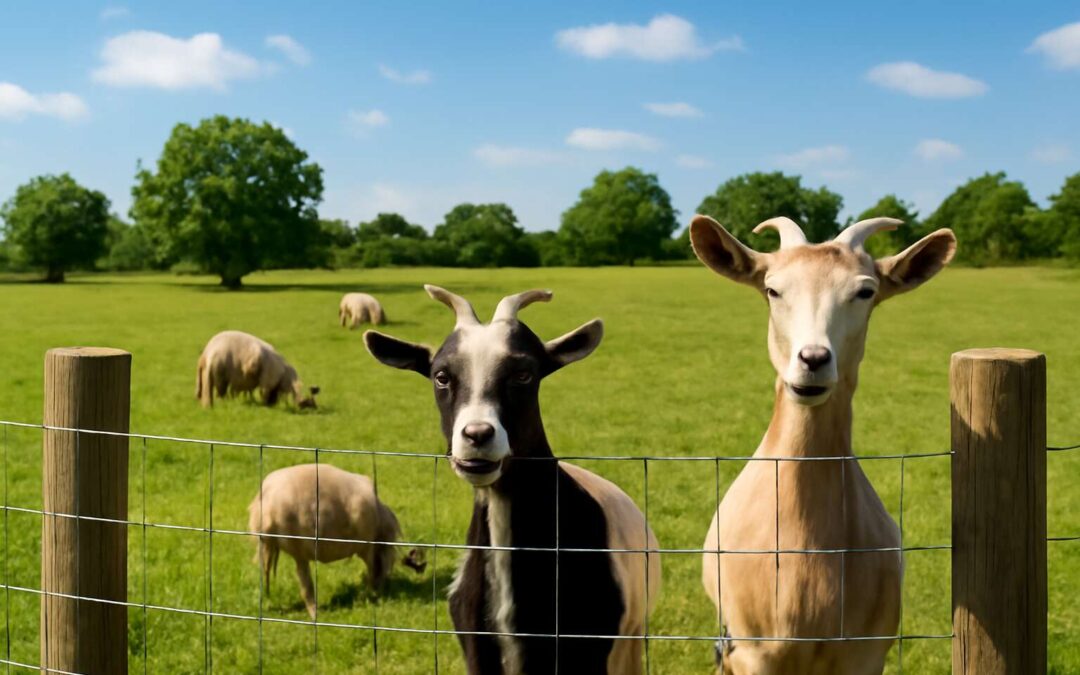
Foundations of fencing for small ruminants
Key grazing animal needs and fence goals
Across South Africa’s sunlit farms, one in three escape incidents on small holdings trace back to weak fencing, turning quiet evenings into frantic gateways of escape and discovery. A secure boundary isn’t just a line; it’s a promise that goats and sheep can browse freely without roaming into danger!
Foundations of fencing for small ruminants rest on sturdy posts, reputable mesh, and a respectful height that respects their claws and curiosity. Above all, it should deter predators and escapes while remaining gentle on the flock.
- Security against predators and escapes
- Durability in SA climates
- Maintenance-friendly, rotation-ready layouts
Key grazing animal needs and fence goals merge when designing spaces for grazing—ample bite-sized forage, shade, and water, with lines that invite wise grazing rather than chaos. This is the art of fencing for goats and sheep, a craft that keeps the veld serene and the herd content.
Choosing fence materials for durability and safety
On South Africa’s sun-burnished farms, the true weight of a fence is felt at dusk—when the gate clicks shut and a quiet chorus of grazers settles into the veld. A veteran farmer murmured, “The boundary is a heartbeat you hear only when it falters.” That heartbeat starts with foundations, not glamour!
Foundations of fencing for goats and sheep rest on sturdy posts, reputable mesh, and a respectful height that keeps curiosity contained while respecting the animals’ agility. When choosing materials, durability against SA climate and predators takes center stage; galvanized steel or treated timber endure heat, rain, and the occasional nibble from opportunistic vermin. The right mesh tightens every line, so flanks and hooves never become escape routes.
- Posts: galvanized steel or treated timber—foundation for fencing for goats and sheep
- Mesh: durable, small openings to deter nibbling and predators
- Hardware: reliable latches and fittings for heat and dust
Fence height and spacing guidelines for small ruminants
On SA farms, the dusk chorus confirms a fence is more heartbeat than barrier. Foundations set the boundary’s life: posts sunk solid, mesh tight, and a height that invites curiosity without inviting escape. Fencing for goats and sheep begins here!
Posts should be galvanized steel or treated timber, driven deep enough to bite into the soil and endure heat. Space them 2.5 to 3 meters apart, with corner bracing and solid footings.
- Post spacing: 2.4–3 m, terrain dependent
- Depth and anchoring: deep posts, concrete or gravel footings
- Corner bracing and gate supports to resist wind
Fence height guidelines: goats demand 1.2–1.5 m; sheep need 1.0–1.3 m. In mixed paddocks, lean toward the higher mark and seal the top with tight mesh.
Common fencing mistakes to avoid when keeping goats and sheep
Foundations are the quiet engines of a stable boundary. Posts sunk deep, footings solid with concrete or gravel, and corner bracing against wind shape the fence’s spine. In fencing for goats and sheep, foundations decide durability and safety, turning a line into a trusted boundary that keeps curious animals close to the paddock!
I’ve seen simple oversights turn into costly escapes. Common fencing mistakes to avoid when keeping goats and sheep include shallow posts, weak corner bracing, and mesh that’s too loose or with gaps.
- Posts not driven deep enough.
- Corner bracing absent or undersized.
- Mesh too loose or with gaps.
Terrain and soil matter. When these foundations are respected, fencing for goats and sheep blends safety with practicality, keeping the herd contained and the land intact.
Fencing types and designs for goats and sheep
Permanent fences versus portable options
Fencing for grazing animals is more than a boundary; it’s the stage upon which pasture drama unfolds. In South Africa, a sturdy barrier can curb escapes and safeguard both herd and pasture, turning daily routines into a study in patience and prudence.
- Permanent fences: steel or woven-wire, deep posts, braced corners; built to endure harsh sun, thorny savannah, and determined climbers.
- Portable options: quick-setup electric netting or lightweight polywire, ideal for rotational grazing and seasonal paddock changes without heavy digging.
In the end, the choice between permanent and portable comes down to land, labor, and a sense of security. For fencing for goats and sheep, durability meets practicality in every seam and hinge.
Electric fencing and hybrid systems
Fencing for goats and sheep is the backbone of reliable grazing. A sturdy barrier isn’t just a boundary—it’s daily proof that pasture and profit can coexist. A seasoned SA grazier once quipped that “a fence is a vote of confidence in your land.” I’ve seen how a well-placed fence can save time and pasture, and I’ve learned electric fencing and hybrid designs offer that balance of security and flexibility.
Types and designs for electric fencing and hybrids emphasize practicality. Netting and high-tensile lines allow fast setup for rotational grazing, while woven-wire hybrids add lasting durability. Solar-powered energizers keep goats and sheep within bounds even in remote paddocks, and smart spacing adapts to lambs, kids, and seasonal shifts. This is fencing for goats and sheep tailored to today’s land and labour realities.
- Electric netting for rapid subdivision
- Hybrid setups combining traditional fences with energised strands
- Solar energizers and proper grounding for off-grid paddocks
Material options like wire mesh, wooden posts, and nets
Fences do more than keep stock in; they invite trust. In the dust and shade of South Africa’s paddocks, good fencing for goats and sheep is the first line of a calm season. Choose materials that sing to the land: wire mesh for clear, checkable boundaries; wooden posts that bite into the soil with quiet certainty; nets that snap into place for fast rotations.
- Wire mesh and welded fencing—clear boundaries with easy stock checks
- Wooden posts—solid anchors that resist SA winds and time
- Nets and netting—rapid subdivision for flexible grazing
These material options blend durability with daily ease, ensuring a tidy, safe enclosure that respects both sheep’s curious noses and goats’ boundary-pushing spirits. When assembled with care, they underpin fencing for goats and sheep across varied terrain, letting pastures breathe and stock look on in contentment.
Modular and portable setups for rotating pastures
Modular and portable setups for rotating pastures are redefining fencing for goats and sheep across South Africa. “A good fence is a quiet fence,” says a veteran grazier. Think light, interlocking panels, quick-clip nets, and gates that swing with a whisper. When the herd moves, the fence moves with it—minimizing stress and giving each paddock time to rest. In the dust and shade, mobility is trust in motion.
- Mobile panels and foldable nets for rapid subdivision
- Gate systems with simple latches and wheels for transport
- Hybrid netting combining visibility with resilience
Designs that breathe with the land win the day: panels that resist wind, nets that hold shape under sun, and anchors that tuck away when not in use. When stock moves through, a quiet, orderly boundary becomes a daily rhythm rather than a flare of stress.
Security considerations for escapes and predators
On South Africa’s pastures, the boundary is the quiet maestro of a productive season. A good fence keeps the flock where it should be and pests where they shouldn’t. In fencing for goats and sheep, design matters more than bravado—choose panels that flex with the wind, gates that close with a whisper, and anchors that disappear when the herd moves on.
- Hinged, tensioned panels that glide with the flock for low-stress movement
- Gates on silent wheels with reliable latches for quick, safe repositioning
- Predator-aware layouts: elevated corners, burying bases, and smart anchorage that resist burrowing
Smart layouts reduce escapes and predator pressure, keeping stock calm and profits steady.
Choosing designs suited to terrain and climate
Across South Africa’s sun-warmed veld, fences set the tempo of a grazing season. Farmers report up to 40% fewer escapes when boundary lines breathe with the land. fencing for goats and sheep isn’t bravado; it’s a quiet opera that steadies stock and secures the purse strings.
For terrain and climate, choose designs that marry resilience with grace. From enduring woven-wire layouts to modular panels that shift with elevation and workload, there are options to match your landscape. These designs should minimize gaps, avoid burrows, and respect the sun’s long watch.
Here are the core families:
- Woven-wire with tensioned panels
- Modular mesh panels
- Portable netting for rotations
I watch a silent gate slide on wheels, anchors vanish as flocks pass, and the landscape keeps its rhythm!
Installation steps and maintenance routines
Site assessment, planning, and soil conditions
In the South African veld, a thoughtful site assessment sets the stage for fencing for goats and sheep. Soil drainage, rock depth, and load-bearing ground guide post depth and alignment, while gentle slopes demand extra care. Planning ahead keeps pastures calm and grazing productive.
In the field, begin with marking boundaries, checking slope, and aligning lines to sun and shade. Dig post holes to local soil depth, set posts firmly, plumb them, and string high-tensile wire. Then attach insulators and gates, and test for stability and sag.
- Mark entrances and corners with clear markers
- Dig and backfill post holes to the correct depth
- String and tension the line for even load
Maintenance routines stay constant through seasons: routine inspections, vegetation control along the fence, corrosion checks on metalwork, hinge and gate operation, and re-tensioning after heavy rains. The result is resilient fencing that stands firm in SA’s varied climates.
Gating, latches, and access control
Gate diplomacy never sleeps; a gate that closes with a soft click keeps the herd in and the neighbours’ curiosity out. In installation, I treat gating integrity as sacred: mark entrances and corners, verify alignment with sun and shade, and fit gates with weather-ready hardware and sturdy latches. This is foundational to fencing for goats and sheep.
- Gating integrity and clear access
- Latch reliability under South African conditions
- Visible and secure access points
Maintenance routines keep this balance through seasons: routine inspections, vegetation clearance around hardware, corrosion checks, hinge operation, and re-tuning after heavy rains. The result is a dependable gate system that respects both livestock and landscape, a hallmark of thoughtful fencing.
Fence line maintenance, weed management, and post-care
Fences that perform are as essential as the sheep themselves. In fencing for goats and sheep, installation is a careful choreography of gates, corners, and sunlit alignments that endure SA weather. This slice of the article focuses on installation steps and maintenance routines, and I treat fence line maintenance, weed management, and post-care as the quiet backbone of resilience.
- Site prep and post alignment
- Line tension and weather-ready hardware
- Ongoing weed and vegetation control around posts
Maintenance routines adapt with the seasons: routine inspections, corrosion checks, hinge lubrication, and re-tuning after heavy rains. Post-care protects timber and metal, keeps fittings solid, and preserves the boundary that supports grazing animals and landscape balance. In this way, the boundary becomes a dependable partner rather than a stubborn obstacle.
Regular inspection and repair schedules
Across South Africa’s sunlit veld, a fence that’s tended is a story of trust—the line between pasture and safety, between risk and rest. Fencing for goats and sheep should endure with grace, turning the boundary into a quiet companion rather than a barrier.
Installation steps unfold like a careful dance: align posts with the land’s mood, set line tension to a forgiving trace, and mount sun-hardy hardware. Maintenance routines keep time with the seasons: regular inspection and repair schedules protect fittings and preserve integrity.
- Post alignment and stability checks
- Hardware wear and corrosion monitoring
- Vegetation clearance around anchors
When tended with patience, the boundary becomes a dependable partner, supporting grazing balance and the landscape of the nation.
Cost considerations, compliance, and optimization
Budgeting materials, labor, and long-term ROI
Cost considerations for fencing for goats and sheep span upfront materials, installation, and ongoing upkeep. A robust mesh and resilient posts may demand a larger initial investment, yet they slash future repair costs and animal losses, sharpening the long-term ROI with every well-contained paddock.
Compliance matters in South Africa: local by-laws, animal welfare codes, and grazing rights shape design choices.
- Local by-laws and permit requirements
- Animal welfare standards for fences and gates
- Electrical safety compliance for rural deployments
- Land-use regulations and neighbor access
Optimization and ROI emerge when planning for maintenance, adaptable layouts, and efficient labor. Balanced choices about materials, access points, and seasonal rotation translate into steadier yields and lower operating costs over the years.
Regulatory considerations, permits, and land management
Fences aren’t just a line in the sand; they’re a budget with teeth. In South Africa, budgeting for fencing for goats and sheep means weighing upfront materials, installation, and ongoing upkeep. A sturdy mesh and sturdy posts may demand a heftier initial outlay, but they pay back in fewer repairs and lower animal losses—ROI that adds real value to every paddock.
Compliance matters in South Africa, shaping design choices as surely as weather and water. Consider these regulatory touchpoints:
- Local by-laws and permit requirements
- Animal welfare standards for fences and gates
- Electrical safety compliance for rural deployments
- Land-use regulations and neighbour access
Optimization and ROI emerge when planning for maintenance, adaptable layouts, and efficient labor. Balanced choices about access points and overall workflow translate into steadier yields and lower operating costs over the years. Fencing for goats and sheep remains a practical, resilient backbone for a well-run farm operation.
Energy efficiency, battery life, and automation
Fences in South Africa are never merely lines; they are liquidity in soil. A veteran farmer quips, “A fence is a budget with teeth.” For fencing for goats and sheep, smart upfront costs pay back in fewer repairs and lower animal losses—especially where veldt is challenging and stock curiosity runs rampant!
Cost considerations hinge on upfront materials, installation, and ongoing upkeep. Prioritise energy efficiency and sturdy posts; better wires and energisers reduce repairs. Off-grid operations gain from solar charging strategies and battery maintenance, delivering a tangible ROI through steadier yields and fewer lost animals.
Compliance threads through design choices—from local regulations to electrical safety for rural deployments. Designing with SA standards in mind keeps projects moving and protects you from delays and neighbourly disputes while safeguarding fences during storms.
Optimization and ROI thrive when energy and automation are treated as partners rather than afterthoughts. Consider these features:
- Energy efficiency that lowers running costs
- Battery life optimization through smart charging
- Automation for gates, alarms, and pasture rotation
Best practices to prevent escapes and injuries
Cost considerations drive every decision in fencing for goats and sheep. Upfront materials, installation, and ongoing upkeep determine ROI. A well-planned budget for sturdy posts and efficient energisers reduces repairs and stock losses, proving that smart spending pays back in steadier yields.
Compliance threads through design—from SA electrical safety standards to local permits. Designing with SA standards keeps projects moving, avoids delays, and reduces neighbourly disputes while safeguarding fences during storms and floods.
Optimization thrives when energy and automation are treated as partners. Smart charging and reliable energisers keep systems stable, while automatic gates reduce daily handling hazards.
- Energy efficiency that lowers running costs
- Automation for gates and alarms
Together, these choices prevent escapes and injuries and align with long-term sustainability.