
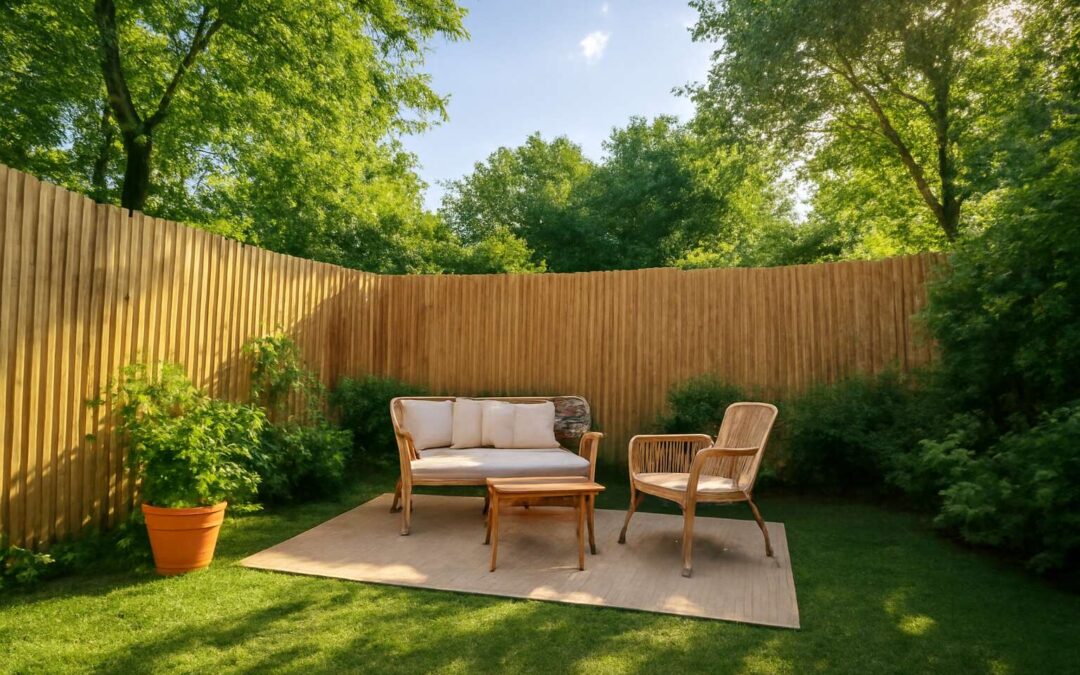
Eco-friendly fencing with bamboo materials
Benefits and uses
Bamboo is among the fastest-growing plants on Earth, and that rapid growth translates into eco-friendly fencing options with a lighter footprint. In South Africa’s sun-drenched yards, bamboo fencing brings warmth, privacy, and a renewable backbone that ages gracefully with weather and time. Its tactile grain and natural patina blend with both modern and traditional garden aesthetics.
Eco-friendly advantages include:
- Low embodied energy from harvest to install
- Renewable, fast-growing material
- Natural aesthetic suits fences and screens
Uses span borders, privacy, and decorative features across SA climates, delivering sustainable charm without sacrificing durability.
Materials and construction
Bold, sun-drenched South African yards deserve fencing that ages with grace. Some bamboo can add a meter of growth in a day, a reminder that speed and sustainability can share the same fence line. Bamboo fencing brings warmth, privacy, and a renewable backbone that looks right at home in modern and traditional spaces.
Materials and construction lean on natural processes and smart design. Here are the essentials that keep bamboo fencing sturdy in SA’s climate:
- bamboo culms: mature, straight, and evenly spaced
- galvanized or stainless-steel connectors for longevity
- natural oil or water-based sealant to slow weathering
- post sleeves or treated timber posts for secure grounding
- compression fittings and cross-bracing to resist wind
Choose chunky slats for privacy or finer strands for a decorative screen. The materials and construction work hand in hand with long-term durability, yet the look remains light and renewable—ideal for bamboo fencing across South Africa.
Design options and installation
Bamboo is among the fastest-growing plants on Earth, with some species adding meters in a season. That makes bamboo fencing a renewable choice for South Africa’s yards seeking privacy and warmth. Eco-friendly by nature, it pairs with modern lines and rustic spaces. I’ve seen it transform spaces.
Designing with bamboo structures offers a bridge between sustainability and form. Options range from tall privacy walls to airy screens, with natural hues that mellow over time.
- Vertical screens for privacy and wind resistance
- Horizontal slats soften silhouettes and invite light
- Decorative woven panels for texture
- Natural finishes slow weathering
Installation speaks to climate as much as design: thoughtful grounding, sensible spacing for airflow, and textures that age gracefully in sun and rain. When these align, the result is a boundary that breathes with the garden.
This is how the outdoors stay private yet generous—I’ve seen a fence become a backdrop for life.
Maintenance, durability, and sustainability
“Privacy can breathe,” a gardener once told me, and bamboo fencing proves it—soft lines, sun-warmed tones, a structure that ages with grace. In South Africa’s yards, its renewable promise feels like honest architecture: quick to install, gentle on the land, and endlessly adaptable to modern or rustic spaces. This is more than a boundary; it’s a living material that turns wind into texture and light into warmth, inviting conversation rather than shouting for attention.
Maintenance, durability, and sustainability walk hand in hand with bamboo fencing. With proper care, it endures our sun and rain, sustains its charm, and returns to the garden as a quiet companion rather than a brittle directive.
- Low embodied energy in production
- Renewable harvest with responsible forestry
- Biodegradable at end of life, with repurposing options