
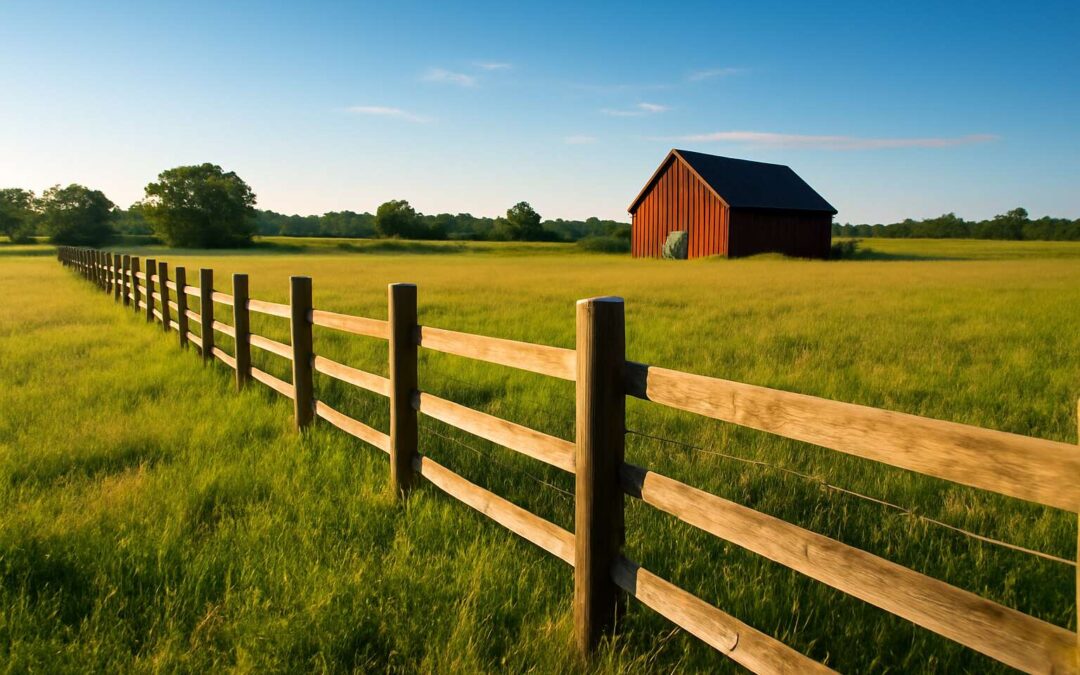
Fencing fundamentals for farms
Farm fencing goals and livestock safety
Fences are the farm’s quiet sentinels, shaping how land and livestock breathe together. A well-chosen boundary holds stock, protects crops, and guides movement with grace. A seasoned farmer once said, “A good fence is a quiet partner in the field.”
Fencing Fundamentals for farms hinge on containment that matches stock, durability against South Africa’s sun and veldt, and safety for both animals and handlers. When discussing agricultural fencing, the aim is to harmonize fencing height, mesh, and gate access with the terrain and species you manage.
- Durability aligned with local climate and soils
- Appropriate scale for the species and herd behavior
- Clear visibility for safety and inspection
- Robust, low-maintenance hardware
These principles shape a landscape where work and wildlife coexist, letting farm life flow with fewer interruptions and more peace of mind.
Understanding fence types by purpose
In the veld’s quiet, fencing becomes more than iron and wire; it is a pact between land and life. Agricultural fencing, with careful choice, should harmonize durability, visibility, and ease of use, turning ordinary boundaries into trustworthy allies. A good fence carries the day with grace, guarding stock while inviting flow across pasture and field!
Understanding fence types by purpose guides the craftsman’s hand. Perimeter lines keep stock contained; paddock partitions enable planned rotations; crop exclosures shield vegetables and leafy treasure from nibbling opportunists.
- Perimeter containment for herd safety
- Paddock fences for rotational grazing
- Crop protection nets and garden enclosures
Materials and design must bow to South Africa’s sun and veld; choose wire, timber, or mesh with corrosion resistance, and pair them with robust, low-maintenance hardware. The result is a landscape where work and wildlife coexist, and agricultural fencing becomes a quiet partner in the field.
Key materials and components
On South African farms, a boundary is a living pact between land and life—one that saves stock before the sun climbs the horizon. A telling 40% of herd incidents trace to fencing gaps that a sharper eye could have closed. Agricultural fencing, chosen with care, becomes more than metal and wire; it is a boundary that breathes with the day.
Key materials and components shape durability across SA soils and sun:
- Posts: treated timber, steel T-posts, or concrete
- Wire and mesh: galvanised or high-tensile options
- Insulators and tensioners: to keep lines true
- Gates and hardware: sturdy frames, hinges, and latches
- Coatings and timber protection: galvanising, PVC coatings, timber preservatives
In the veld’s rhythm, corrosion resistance is stewardship—ensuring the boundary endures the season and the herd’s passage with quiet dignity.
Local codes and permitting considerations
Fences are the polite reins of ambition: they guard stock and gate. In South Africa, permit backlogs turn brisk projects into slow dances; roughly 37% of fencing initiatives stall at the desk before a bolt is turned. It’s about local codes and sensible restraint; agricultural fencing becomes a social affair—policies, neighbours, and the veld weighing in on the boundary’s character. The end should respect herd and law.
Local codes and permitting considerations shape how projects unfold. To stay on the right side of practicality, expect what authorities require before you lay a single post.
- Local zoning and by-laws governing boundary fences
- Road setbacks and visibility for gates
- Environmental and wildlife considerations that affect materials and placement
Engaging early with planners builds trust and reduces surprises; I’ve learned that permits, though tiresome, are the handshake with the landscape, keeping fences in step with the region’s rhythms and ledger.
Farm fencing materials and design options
Wire fencing and mesh options
Across South Africa, up to 30% of livestock losses trace to weak fencing, a siren call to wandering stock. When fences breathe with purpose, agricultural fencing becomes husbandry in metal and mesh. In design, consider height and weave alike—the tension, post spacing, and temperament sketch the line between safety and escape.
Materials matter as mood. For wire fencing, you’ll find woven and high-tensile varieties, welded mesh, and sturdy chain-link under the SA sun.
- Woven wire and high-tensile options
- Welded mesh panels for paddocks
- Chain-link and galvanized mesh
Design choices reflect pasture flow, drainage, and predator considerations, shaping a durable, elegant boundary.
Wood and timber alternatives
Across South Africa, up to 30% of livestock losses trace to weak fencing, a sobering reminder that agricultural fencing is stewardship in metal and timber. Wood and timber alternatives offer warmth and flexibility when design aligns with height, post spacing, and drainage. Treated pine and hardwood deliver longevity, while native eucalyptus systems blend with the landscape!
Design choices for timber-forward fencing balance safety with grazing needs. Consider height to deter escape, spacing to resist wind load, and rails that weather gracefully. For rugged South African conditions, pair timber posts with steel rails or galvanised frames.
- Treated timber posts and rails for a natural look
- Steel frames with timber infill for rugged South African conditions
- Composite or PVC-coated elements for reduced maintenance
The right mix respects pasture flow and predator realities.
Electric fencing basics
Across South Africa, up to 30% of livestock losses trace to weak fencing—a chilling testament to the power of a compromised boundary. This craft, agricultural fencing, is stewardship in metal and timber, a vigil that must bend with the land rather than break under the wind.
For farm fencing materials and design options, electric fencing basics are the quiet force. An energiser, proper insulators, and a grounded circuit create a reliable barrier that complements timber or steel rails rather than competing with them.
- Treated timber posts and rails for a natural look
- Steel frames with timber infill for rugged South African conditions
- Composite or PVC-coated elements for reduced maintenance
Layered designs keep pasture flow and predator realities in balance. I walk the fence line at dusk and feel the boundary endure, steady as a heartbeat, while electric and traditional elements speak in a single, quiet chorus.
Design patterns for different livestock
Across South Africa, up to 30% of livestock losses trace to weak fencing—a chilling reminder that boundaries protect more than gates. This agricultural fencing, designed with purpose, becomes a living boundary that bends with the land and the wind.
Options range from treated timber posts and rails to steel frames with timber infill and low-maintenance composites. Layered designs help pasture flow while standing up to predator realities on South African farms. I watch the line at dusk and feel how it bends with the wind.
- Sheep and goats: moderate height with tighter mesh to guide movement without crowding.
- Cattle and larger stock: taller posts, heavier rails, and robust fastenings for rugged paddocks.
- Poultry and small stock: low maintenance borders with electrified lines for quick checks.
Integrating fencing with gates and access control
Across South Africa, up to 30% of livestock losses trace to weak fencing—boundaries protect more than gates, and agricultural fencing should be a partner to land and wind.
Materials and design options weave function with form. Think modular frames, corrosion-resistant hardware, and gates that integrate seamless access control for daily checks without drama.
- Sliding or cantilever gate concepts that maximize drive-through flow
- Smart access options, from keypad entries to RFID-enabled controls
- Low-maintenance infill choices that endure sun and rain without fuss
With careful coordination, the border becomes a living boundary that respects paddock flow and the farm’s social rhythm.
Installation and maintenance best practices
Site assessment and planning
Across South Africa’s farms, a fence is a strategic asset that guards stock and steadies daily decisions. A thoughtful site assessment anchors every choice in real conditions for agricultural fencing.
Installation and maintenance best practices emerge from reading the land before work begins. In SA, veld, moisture, and coastal salt air shape material choice, post depth, and tension—reminding us every choice echoes in the landscape.
Before trenching or stringing wire, a compact site survey aligns design with purpose. The goal is harmony between fence, gates, and pasture use, so upkeep remains predictable.
During site assessment, consider:
- Terrain, drainage, and soil stability
- Sun exposure, wind, and temperature extremes
- Nearby vegetation and wildlife corridors
A measured approach to installation and maintenance keeps the fence a reliable partner in SA farms—quiet, durable, and ready to adapt as seasons turn, a cornerstone of agricultural fencing.
Post installation techniques
After the last stake settles and the wire hums in the wind, the true craft of farming begins. A well-tuned fence is a quiet partner on a South African farm, guarding stock and shaping daily decisions. This is the mindful practice of agricultural fencing.
Between seasons, vigilance remains; the land guides the eye: guard posts steady, gates true, and the line free from encroaching growth. Routine checks become conversation with the fence, not chores, and the investment ages with dignity.
In SA’s shifting sun and salt air, maintenance is a seasonal poem; a well-cared platform holds stock and spirits, ready for whatever the year throws.
Tensioning and hardware tips
On a South African morning, the wind carries the sound of a taut fence—proof that a fence speaks before any sign of trouble. “Tension is the land’s quiet heartbeat,” a veteran farmer once told me, and it still rings true. In the realm of agricultural fencing, proper tension and robust hardware set the tone for stock safety and farm discipline.
Maintaining tension honors the wire’s memory of heat, drought, and sun—the fence seems to hum with the land’s memory. Use hardware that withstands our climate—galvanised or stainless steel, rust-resistant fasteners, and quality insulators where needed. Guard against fatigue by pairing corners and gates with stable hardware; misalignment invites creep and gaps.
- Baseline tension check
- Corrosion-resistant hardware
- Regular alignment checks
Keep records, notice changes with the seasons, and let maintenance become a ritual rather than a chore; agile and ready, agricultural fencing anchors the farm’s daily decisions.
Cost, budgeting, and ROI for fencing projects
Material costs comparison
On many South African farms, the biggest line item is often the boundary. A recent survey shows fencing can account for up to 30% of a farm upgrade budget, and that’s before any wildlife or weatherproofing. That hammer of costs underscores how every rand must earn its keep.
Investing in sensible budgeting for agricultural fencing isn’t just about protecting stock; it’s about predictable margins. When upfront spend is balanced with the expectation of losses avoided and grazing efficiency, ROI shows up in fewer breakouts, better pasture rotation, and more stable yields.
Different materials offer different value. Metal mesh costs more upfront but lasts longer, wood is cheaper to install yet demands upkeep, and electrified options can strike a balance in cost and ease of use.
Key cost drivers include:
- Initial material costs per metre
- Installation labour and equipment
- Ongoing maintenance and repairs
Labor and installation timing
Fencing usually eats up to 30% of a farm upgrade budget, but it’s not a sunk cost—it’s a lever. In South Africa, a well-planned agricultural fencing program turns capital into predictable margins. Fewer stock breakouts, smarter grazing rotations, and steadier yields translate into real ROI. That’s the truth!
Cost drivers shaping value include:
- Upfront material quality versus price and durability expectations
- Installation speed and equipment needs tied to terrain
- Ongoing maintenance, repair cycles, and replacement considerations
Smart budgeting aligns upfront spend with measured savings across the fencing lifecycle. When you factor in reduced breakouts and improved pasture use, the return shows up as steadier margins and more resilient yields—prime reasons to treat fencing as a core investment, not a cost center.
Sensible budgeting on fencing projects pays back through reliability and fewer surprise costs down the line.
Longevity and maintenance costs
On South African farms, a well-timed investment in agricultural fencing turns risk into reliability. A recent survey found up to 25% fewer stock breakouts when a planned program is in place, translating to steadier grazing and predictable margins!
Smart budgeting centers on balancing upfront quality with long-term savings. Consider these touchpoints:
- Upfront material resilience versus price and durability expectations
- Installation pace and equipment needs tied to terrain
- Ongoing maintenance and replacement cycles
When these elements align, ROI reveals itself as steadier margins and more resilient yields—proof that fencing is an asset, not a line item.
Financing and supplier selection
On South African farms, a planned investment in agricultural fencing reduces risk and boosts predictability; one survey found up to 25% fewer stock breakouts when the program is in place. Cost here isn’t just the sticker price—it’s the lifecycle decision between short-term savings and long-term reliability, with ROI showing up as steadier margins and resilient yields.
Financing and supplier selection shape this curve. In practice, weigh upfront price against total cost of ownership, terms that fit cash flow, and the supplier’s ability to deliver quality materials and after-sales support.
- Total cost of ownership versus upfront price to gauge true value
- Delivery lead times and payment terms shaping cash flow
- Warranty, service, and reliability of after-sales support
- Regional material availability and transport costs
When these factors align, agricultural fencing becomes more than a line item—it becomes a strategic asset that guards margins and harvests, even under South Africa’s variable seasons.
Compliance, environmental impact, and safety
Regulatory considerations for farms
“A good fence is a good business partner,” a South African farmer once told me. Compliance guides every strand of agricultural fencing—from land-use permits to ongoing documentation. For farms, that means aligning with national safety standards, local bylaws, and DALRRD guidance, and keeping records of materials, installation dates, and inspections. The payoff is fewer escapes and smoother audits.
Environmental impact matters too. Thoughtful siting and materials protect waterways, soil structure, and wildlife corridors while preserving productivity.
- Minimize disruption to waterways and habitats
- Choose durable, recyclable components
- Design for seasonal wildlife movement
Safety and regulatory considerations for farms require ongoing vigilance. Regular training, clear signage, and safe electrification practices when using electric fencing are essential. Maintain inspection logs, ensure gates lock securely, and align with occupational health guidelines to safeguard workers, visitors, and livestock.
Animal welfare and safety standards
Compliance is the unseen hinge of a well-run farm. For agricultural fencing, this means meticulous land-use permits, material logs, installation dates, and regular inspections aligned with DALRRD guidance, national safety standards, and local bylaws—because paperwork, when done properly, keeps disruptions and audits at bay. I’ve seen audits glide by when a file shines!
Environmental stewardship matters too. Thoughtful siting and materials protect waterways, soil structure, and wildlife corridors while preserving productivity. These choices translate into lower lifecycle impact and better land stewardship for agricultural fencing projects.
- Minimize disruption to waterways and habitats
- Choose durable, recyclable components
- Design for seasonal wildlife movement
Safety and animal welfare standards require ongoing vigilance. Regular training, clear signage, and safe electrification practices when using electric fencing are essential. Maintain inspection logs, ensure gates lock securely, and align with occupational health guidelines to safeguard workers, visitors, and livestock in agricultural fencing schemes.
Environmental impact and sustainable fencing
Audits glide by when the file shines—disruptions fall by half where compliance runs like clockwork. In South Africa, meticulous documentation and oversight underpin agricultural fencing, safeguarding livelihoods and landscapes alike. This quiet diligence earns trust and steady seasons.
Environmental impact and sustainable fencing are inseparable partners. Thoughtful siting, durable materials, and recyclable components protect waterways, soil structure, and wildlife corridors while preserving productivity and long-term stewardship.
- Protect waterways and habitats
- Prioritize recyclable materials
- Accommodate seasonal wildlife movement
Safety remains a living standard: ongoing training, clear signage, and safe electrification practices when using electric fencing. Maintain logs of inspections, ensure gates lock securely, and align with occupational health guidelines to safeguard workers, visitors, and livestock across every fencing project.
Record keeping and monitoring
Compliance isn’t glamorous, but in South Africa it is the quiet backbone of productive fields! Clear records, timely inspections, and transparent permitting turn risk into reliability; a well-kept file earns the respect of auditors and workers alike. It’s the discipline that makes every fence a safeguard.
Environmental impact and safety go hand in hand with rigorous record keeping and monitoring. For agricultural fencing, logs of electrification tests, signage checks, and gate locking routines protect waterways, corridors, and livestock. By documenting monthly checks, we embrace stewardship and keep pace with OH guidelines and local codes across the country.
- Record-keeping cadence: inspections, maintenance, and incident logs
- Gates and signage: secure access and clear warnings
- Compliance audits: routine reviews aligned with OH standards